Your Plate Can Change the Planet: How Sustainable Diets Actually Work
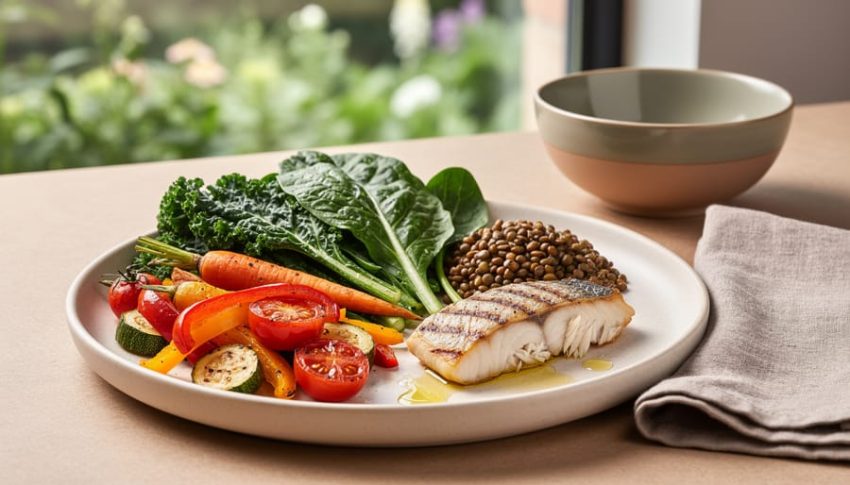
A sustainable diet reduces environmental harm by emphasizing plant-forward eating, minimizing food waste, choosing seasonal and local ingredients when possible, and approaching meat and dairy with intention rather than eliminating them entirely. This approach works because food production accounts for a substantial portion of global greenhouse gas emissions, and individual dietary shifts create measurable change when adopted widely.
The good news? You don’t need to overhaul your entire life overnight or commit to strict labels like vegan or vegetarian to make a difference. Small, consistent changes to how you shop, cook, and think about meals can lighten your environmental footprint while often improving your health and reducing grocery costs. A sustainable diet adapts to your budget, your schedule, and your cultural food traditions rather than demanding perfection.
What makes this topic especially relevant right now is the growing recognition that sustainability extends beyond the clothes we wear or the beauty products we choose. The meals on our plates represent one of the most frequent decisions we make each day, and each choice carries environmental weight. Water use, land clearing, methane emissions, packaging waste, and transportation all factor into the true cost of what we eat.
This isn’t about guilt or deprivation. It’s about understanding the connection between food and planet, then making informed choices that feel right for you. Some people start by eating plant-based a few days each week. Others focus on cutting food waste or supporting local farmers. There’s no single path, and the flexibility is precisely what makes sustainable eating accessible to anyone ready to begin.
The strategies ahead will show you how to eat in a way that nourishes both you and the earth, with practical steps that fit real life.
What Makes a Diet Truly Sustainable?
When you hear “sustainable diet,” you might picture expensive organic produce or strict rules about what you can’t eat. But truly sustainable diets are far more nuanced, and more achievable, than that.
At its core, a sustainable diet works for you, your community, and the planet, all at once. It considers how food is grown, who grows it, how it reaches your table, and whether it nourishes your body. Think of it as a web of connections: your meal connects to soil health, to farmers’ livelihoods, to water systems, to your own wellbeing, and to cultural traditions that give food meaning beyond calories.
The environmental piece gets the most attention, and it matters. How we produce food shapes climate patterns, uses vast amounts of fresh water, and determines whether wild spaces survive or disappear. But sustainability can’t stop there. A diet that protects forests but leaves you nutritionally deficient isn’t sustainable. One that’s environmentally ideal but culturally alienating won’t last in your real life. And food produced through exploitation, even if it’s organic, undermines the whole point.
That’s why genuinely sustainable eating considers multiple dimensions together. It asks whether your food provides complete nutrition for your body’s needs. It respects that food carries cultural identity and connection, not just nutrients. It recognizes that accessibility matters, sustainable options need to be available and affordable where you actually live. And it demands fairer supply chains that support producers rather than extracting from them, much like the shift we’re seeing in fashion and other industries.
This interconnected view means sustainable diets look different depending on where you are, what’s grown nearby, your health requirements, your cultural background, and your economic reality. There’s no single “perfect” sustainable diet that works everywhere for everyone. Instead, sustainability becomes a set of principles you apply to your specific situation, making choices that move things in a better direction without demanding overnight transformation or impossible standards.
The Real Environmental Story Behind Your Food
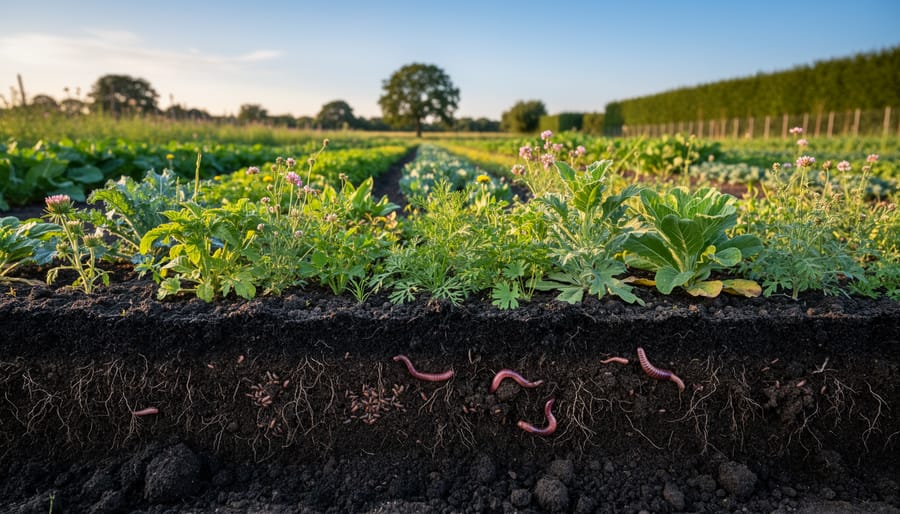
Plant Foods vs. Animal Foods: Understanding the Difference
Think of food production like a chain of energy transfers. When you eat plants directly, grains, beans, vegetables, fruits, you’re getting nutrition from the first link in that chain. When you eat animal products, those animals had to eat plants first, converting plant energy into meat, milk or eggs. That conversion isn’t efficient.
Animals need food for their own daily living, maintaining body temperature, moving around, growing. Only a fraction of what they consume becomes the food we eat. A chicken might eat several pounds of grain to produce one pound of meat. Cows, being larger and living longer, require far more feed over their lifetimes. This biological reality means animal foods generally require more land to grow all that feed, more water for both crops and animals, and produce more emissions throughout the process.
This doesn’t mean you must eliminate animal foods entirely. Understanding this principle simply explains why shifting toward more plant-based meals creates lower environmental impacts. The difference becomes especially pronounced with ruminant animals like cattle and sheep, whose digestive systems produce additional greenhouse gases.
Different animal products sit at different points on this spectrum too. Chicken typically requires less feed than beef. Eggs and dairy fall somewhere in between. Small fish generally have smaller footprints than large farmed fish. These patterns help you make informed choices without needing to calculate every meal.
Why Local and Seasonal Isn’t Always the Answer
You’ve probably heard “eat local” as the golden rule of sustainable eating. It sounds logical, shorter distances mean less fuel burned, right? But here’s the surprising truth: where your food comes from often matters less than how it was produced.
Transportation accounts for transport is a small share of most foods’ total environmental impact. Growing methods, energy inputs, and what’s being produced typically create far bigger footprints. A tomato grown locally in a heated greenhouse during winter can have a much higher impact than one grown outdoors in warmer climates and shipped to you. Beef raised down the road still carries the resource intensity of beef production, regardless of travel distance.
Seasonal eating aligns better with sustainability because it reduces the need for energy-intensive growing conditions. But “local” alone doesn’t guarantee a lighter footprint. This isn’t about abandoning farmers’ markets or dismissing food miles entirely. It’s about asking smarter questions: How was this grown? What resources did it require? Is this its natural growing season?
When you choose grass-fed beef from a nearby farm over imported lentils, you’re still choosing a resource-intensive food over a lighter one, despite the shorter distance. Understanding this lets you weigh multiple factors rather than relying on a single rule that oversimplifies a complex system.
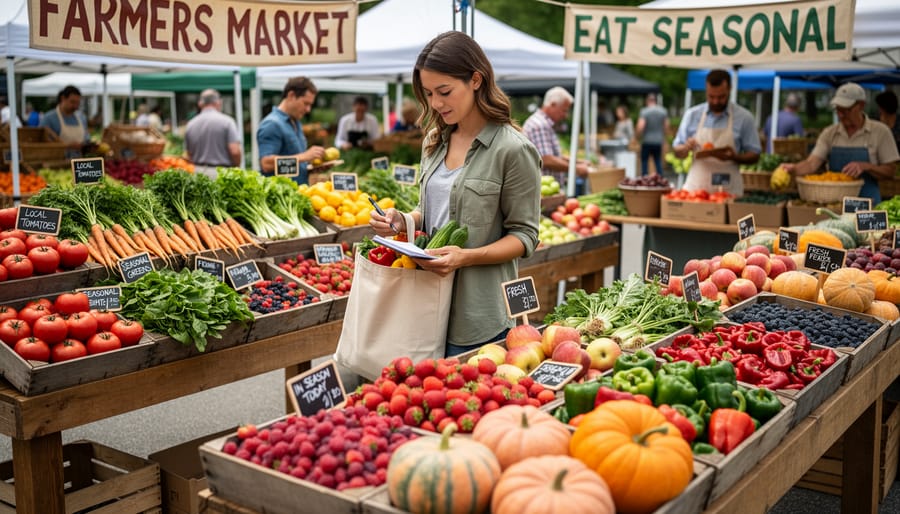
Building Your Sustainable Plate: Practical Starting Points
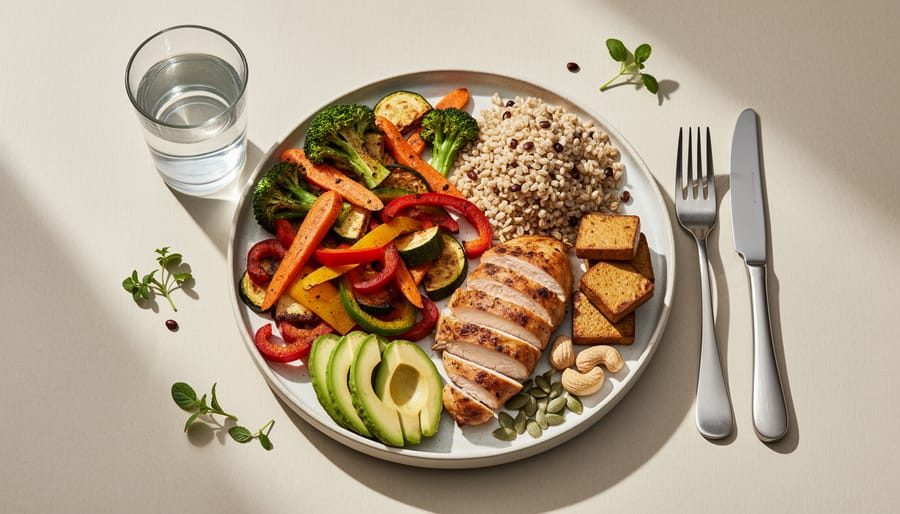
The ‘More Plants, Not No Meat’ Approach
You don’t need to go vegetarian to make a meaningful difference. The most sustainable approach for many people involves gradually shifting the balance, filling more of your plate with plant foods while enjoying smaller amounts of animal products.
Think of it as “crowding in” rather than cutting out. When you add more beans, lentils, whole grains, and vegetables to your meals, meat naturally becomes a smaller portion without feeling like deprivation. That shift alone reduces environmental strain because plants require fewer resources to produce than animal foods do, it’s simply more efficient to eat crops directly than to feed them to animals first.
This flexible approach works with how people actually eat. Maybe you go meatless a few days a week. Perhaps you keep meat as a flavor accent rather than the centerpiece, like using a small amount of bacon in a bean soup or adding chicken to a grain bowl loaded with vegetables. Some families designate “Meatless Mondays” or swap beef for lower-impact options like chicken or eggs.
What matters isn’t achieving some perfect ratio. It’s the direction of travel. Someone who cuts their meat consumption in half creates substantial impact without the all-or-nothing pressure that causes many people to give up entirely. You’re not failing if you still eat meat, you’re succeeding every time you choose the plant-forward option.
Your sustainable plate can include occasional steak dinners, holiday roasts, and cultural dishes that center animal foods. The goal is making plant foods your everyday default, with animal products as intentional choices rather than automatic additions to every meal.
Making Sustainable Choices on Any Budget
Sustainable eating doesn’t require premium prices. Start with bulk buying, dried beans, lentils, rice, and oats cost substantially less per serving than pre-packaged meals and store well. Buying larger quantities of staples you’ll actually use makes plant-based proteins genuinely affordable.
Seasonal produce costs less because it’s abundant. Visit farmers markets near closing time for deals, or ask grocers about imperfect produce programs. Frozen vegetables picked at peak ripeness offer nutrition and convenience at lower prices than out-of-season fresh options.
Cooking from scratch transforms your budget. A homemade bean chili or vegetable stir-fry costs a fraction of takeout, and you control ingredients. Batch cooking on weekends means sustainable meals throughout busy weeks without premium meal kit prices.
The biggest savings? Learning to reduce waste. Use vegetable scraps for stock, transform leftovers into new meals, and store food properly to extend freshness. Planning meals around what you already have prevents throwing money into the bin.
Consider true value, not just upfront cost. A bag of dried chickpeas yields multiple meals for the price of one fast-food burger. Quality matters more than quantity, eating less meat but choosing better-raised options when you do can fit modest budgets while supporting sustainable farming. Start with one strategy that fits your situation, then build from there.
Honoring Cultural Food Traditions
Cultural food traditions carry generations of wisdom, connection, and identity, and sustainability doesn’t mean leaving them behind. Your grandmother’s recipes, holiday dishes, and family gatherings can evolve to reflect environmental values without losing their soul. Start by looking at the whole meal rather than singling out individual ingredients. Many cultural cuisines already center plants, think lentil dahls, bean tamales, or vegetable stir-fries that need only small amounts of meat for flavoring. Consider making beloved dishes with slightly different proportions: the same spices, techniques, and flavors, just more vegetables and grains alongside the protein. You’re honoring the heart of the recipe while adapting it for today. When certain ingredients matter deeply, your family’s special occasion lamb dish or your community’s ceremonial foods, keep them. Sustainability isn’t about rigid rules; it’s about thoughtful choices across your whole diet. The same way luxury with values means keeping quality while choosing better materials, sustainable eating means preserving what matters culturally while shifting everyday patterns. Your heritage and your values can absolutely coexist on the same plate.
Voices from the Table: Real Stories of Food Transformation
Sarah, a graphic designer in Portland, grew up eating meat at every meal. Her shift toward sustainable eating started not with guilt, but curiosity. After watching a documentary about food systems, she wondered whether her choices actually mattered. She started small, two meatless dinners each week. Within months, she found herself naturally reaching for plant-based options she genuinely enjoyed. The challenge was social situations. Family dinners became trickier when her father interpreted her choices as criticism of his cooking. She learned to bring a substantial vegetable dish to share rather than explain her reasoning, and the tension dissolved. Her biggest win wasn’t the dietary shift itself, but discovering she could cook creatively. She saves money on groceries now and feels more connected to her food.
Marcus, a teacher and father of three in Atlanta, resisted sustainable eating for years because he assumed it meant expensive specialty stores and unfamiliar ingredients. His wake-up call came from his daughter’s school project on climate change. When she asked what their family could do, he started researching. He discovered that beans, lentils and seasonal vegetables cost far less than the meat-heavy meals he’d been preparing. His approach became what he calls “adding in” rather than taking away, more vegetables alongside smaller portions of meat, whole grains mixed with familiar rice. His kids barely noticed the shift because flavors stayed familiar.
I thought sustainable eating meant giving up the foods that connected me to my grandmother’s kitchen. Instead, I learned how to honor those recipes while making small swaps that felt right.
That realization came from Jennifer, whose Filipino heritage centers on family meals. She worried that sustainable choices meant abandoning cultural dishes. Her solution was adjusting proportions rather than eliminating ingredients entirely. She still makes adobo, but with more vegetables and occasional tofu alongside the chicken. She buys fish from vendors she trusts rather than cheap frozen options. Her family’s food traditions remain intact while their environmental footprint has shifted.
These stories share a pattern, change started from curiosity or care rather than obligation, progressed through experimentation rather than rigid rules, and succeeded when it fit real lives rather than demanding perfection. The transformation happened gradually, through small consistent choices that compounded over time. Each person found their own version of sustainable eating that honored their budget, their culture, and their actual daily reality.

Beyond Your Plate: Supporting Sustainable Food Systems
Your food choices ripple out beyond your kitchen, and some of the most meaningful changes happen when individuals connect with systems that make sustainable eating easier for everyone. Think of your decisions as votes, not just at the grocery store, but in your community and through the policies that shape how food reaches your plate.
Community gardens transform more than empty lots. They create access to fresh produce in neighborhoods where grocery stores are scarce, build relationships between people who might never otherwise meet, and teach skills that pass from experienced gardeners to curious beginners. Many welcome volunteers regardless of growing experience. You don’t need your own plot to contribute, helping with workdays, donating seeds or tools, or simply showing up to learn sends a message that local food production matters.
Supporting farmers who prioritize sustainable practices strengthens the infrastructure that makes those choices available. Farmers markets let you meet producers directly and understand their methods. Community Supported Agriculture programs connect you to a farm for a season, sharing both the abundance and the risks that come with growing food. When you buy from these sources consistently, you help small-scale farmers stay viable against industrial competition.
Food waste happens at every point in the supply chain, and addressing it requires more than better home habits. Supporting organizations that rescue surplus food and redirect it to people who need it tackles waste and hunger simultaneously. Many cities now have programs that collect scraps for composting at scale, turning what would become methane in landfills into soil that grows more food.
Policy shapes the landscape of possible choices. Contacting representatives about farm bills, school lunch standards, or food waste legislation tells decision-makers that constituents care about these issues. Joining advocacy groups amplifies your voice among others pushing for systemic change. When you speak up, you’re not just expressing an opinion, you’re helping shift what becomes normal, accessible, and affordable for everyone.
Common Questions About Sustainable Eating
Making changes to how we eat often brings up legitimate questions and concerns. These answers reflect what sustainable eating practitioners and nutrition professionals have learned through experience, without requiring you to become an expert yourself.
“Will I get enough protein on a more plant-based diet?”
This question tops nearly every list, and it makes sense, we’ve been told our whole lives that animal products are the protein sources. The truth is that beans, lentils, tofu, tempeh, whole grains, nuts, seeds, and even vegetables contain protein. When you eat a varied diet with enough calories, getting adequate protein happens naturally. The key is variety throughout the day, not perfection at every meal. Many athletes and active people thrive on predominantly plant-based diets, adjusting quantities based on their individual needs.
“Isn’t sustainable eating too expensive?”
This depends entirely on your approach. Grass-fed meat and organic specialty items do cost more, but shifting toward more plants can actually reduce grocery bills. Dried beans and lentils rank among the cheapest protein sources available. Seasonal produce from farmers’ markets often costs less than out-of-season supermarket options. Cooking from scratch instead of buying convenience foods saves money while reducing packaging waste. The financial picture shifts when you compare the true cost of ingredients rather than assuming sustainable automatically means premium-priced.
“I don’t have time to cook everything from scratch.”
Neither do most people committed to sustainable eating. Batch cooking on weekends, keeping simple recipes in rotation, and using time-saving tools like pressure cookers help enormously. Not every meal needs to be an elaborate production. A baked sweet potato with canned beans, frozen vegetables, and tahini takes ten minutes and checks every sustainability box. The goal is having reliable go-to meals that work with your actual schedule, not aspirational recipes you’ll never make.
Does my individual choice really make a difference?
Your food choices create ripple effects beyond your plate, they signal market demand, influence those around you, and contribute to cultural shifts just as supporting ethical fashion supports better industry practices. Collective impact happens through millions of individual decisions over time.
What about social situations where sustainable options aren’t available?
Flexibility matters more than rigidity. Eating what’s served at someone’s home, doing your best at restaurants, and making intentional choices when you control the food keeps sustainable eating sustainable long-term. Perfectionism creates stress that makes any practice harder to maintain.
Can children get complete nutrition from more plant-based diets?
Children can absolutely thrive eating more plants while still including some animal products if that fits your family. The variety and balance matter most, plenty of fruits, vegetables, whole grains, legumes, nuts, and seeds alongside whatever animal foods you choose to include provides what growing bodies need.
How do I handle family members who aren’t interested in changing?
Cook meals everyone enjoys that happen to be more sustainable rather than announcing dietary changes. Most people happily eat bean chili, veggie stir-fries, or pasta with vegetables when they taste good, regardless of labels. Your example speaks louder than lectures.
The underlying thread connecting these questions is concern about whether sustainable eating fits real life. It does, because sustainable eating isn’t a rigid set of rules but a direction of travel. You’re learning and adjusting as you go, just like everyone else making these shifts. The practitioners who’ve sustained these changes longest are the ones who gave themselves permission to be imperfect while staying committed to the direction.
You don’t need to overhaul your entire life tomorrow. The path toward sustainable living isn’t about perfection, it’s about progress. Whether you’re already thinking carefully about your clothing choices and beauty products, or just beginning to explore what sustainability means in daily life, your food decisions are another powerful way to participate in caring for the planet.
Start wherever feels manageable right now. Maybe that’s trying one new plant-based recipe this week. Perhaps it’s buying from your local farmers’ market once a month, or simply being more intentional about using the food you already have. Each small shift sends ripples through a larger system, and those ripples matter.
What makes sustainable eating different from fleeting diet trends is that it isn’t really about restriction or rules. It’s about connection, to where your food comes from, to the people who grow it, to the environmental realities we all share, and to your own values around how you want to live. These connections don’t demand perfection; they invite curiosity and growth.
The same principles that guide choosing clothing made with care or beauty products that respect both you and the environment apply beautifully to food. You’re looking for choices that honor the earth’s resources, support fair treatment of people, and work within your real life, not some idealized version of it.
Your plate is part of your impact, alongside everything else you do. And starting exactly where you are right now? That’s precisely the right place to begin.