Why Luxury Ethical Fashion Is the Future Your Wardrobe Deserves
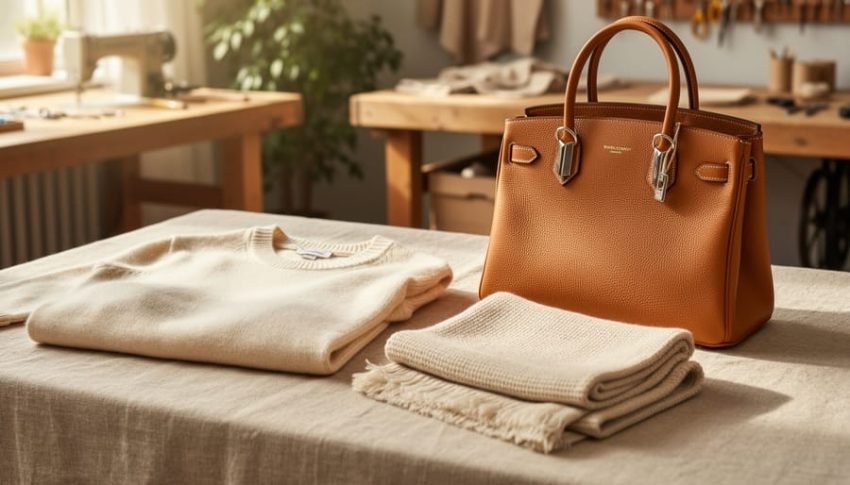
Luxury ethical fashion merges premium craftsmanship, timeless design, and transparent supply chains to create pieces that feel indulgent without compromise. The result is a wardrobe built on quality over quantity, where each garment tells a story of fair wages, regenerative materials, and artisan skills preserved across generations. This shift redefines what makes fashion truly luxurious in 2026.
The old rules of luxury centered on exclusivity and price tags. Today’s luxury demands something deeper: knowing the hands that stitched your cashmere sweater earned a living wage, or that your leather handbag came from a regenerative farm restoring grasslands. This isn’t about sacrificing style for values. It’s about recognizing that beauty and integrity can coexist, that the most coveted pieces are those you can wear with complete confidence in their origin.
The fashion industry has long operated behind closed doors, but a growing number of brands now welcome scrutiny. They’re opening their factories to audits, sharing supply chain data, and investing in materials that actually improve the environment rather than just doing less harm. Organic cotton, peace silk, innovative plant-based leathers, even textiles made from regenerated ocean plastic are becoming hallmarks of high-end collections.
For anyone who’s felt torn between aesthetic desires and ethical concerns, this evolution offers genuine relief. You don’t have to choose between a coat that makes you feel powerful and one that reflects your values. The most exciting development in fashion right now is that those two things are finally merging, creating a new standard where luxury means more than surface beauty. It means clothes made to last, stories worth telling, and a personal style that aligns with the future you want to see.
What Makes Fashion Both Luxurious and Ethical
Luxury ethical fashion exists at the intersection where exquisite craftsmanship meets unwavering social and environmental responsibility. It’s about garments that don’t ask you to choose between beauty and conscience, pieces that satisfy your desire for quality while honoring the people and planet behind every stitch.
Traditional luxury built its reputation on exclusivity, limited access, and often opaque production methods. A prestigious label guaranteed status, but rarely transparency about who made your garment, under what conditions, or at what environmental cost. That old model treated luxury as something separate from impact, as though beautiful things required looking away from their origins.
Today’s luxury ethical fashion flips that script entirely. It recognizes that true luxury demands integrity at every stage. When you know your silk blouse supported artisans earning fair wages in a safe workshop, or that your wool coat came from regeneratively managed pastures, the garment becomes more valuable, not less. This approach acknowledges that ethical fashion emphasizes responsibility as essential to genuine quality, not an afterthought.
What sets luxury ethical fashion apart comes down to several core principles:
- Craftsmanship
- Hand-finished details, traditional techniques, and skilled artisans who’ve mastered their craft over years, not rushed production lines chasing quarterly targets.
- Transparency
- Open supply chains where brands willingly share exactly where materials come from and who made each piece, inviting scrutiny rather than hiding behind vague claims.
- Fair Wages
- Workers earn living wages that support families and communities, with safe conditions and respect for labor rights throughout the production process.
- Sustainable Materials
- Fabrics and fibers chosen for minimal environmental footprint, organic, regenerative, recycled, or innovative alternatives that don’t deplete natural resources.
- Longevity
- Garments designed and constructed to last decades, not seasons, reducing waste through quality that defies planned obsolescence.
This definition matters because it shifts luxury from being about what others can’t have to what benefits everyone involved in creating it. The cashmere sweater becomes luxurious not just for its softness, but because the herders who raised those goats received fair compensation and worked land managed to regenerate rather than degrade.
Luxury ethical fashion challenges you to expand your definition of premium. It asks: shouldn’t luxury also mean knowing your purchases improve lives rather than exploit them?
The Real Cost of Fast Fashion Disguised as Luxury
The price tag may whisper exclusivity, but the true cost of many luxury fashion items tells a different story. For decades, prestigious fashion houses have operated behind a carefully constructed veil of aspiration, where Italian leather and French ateliers became shorthand for quality, no questions asked about what happened before those materials reached the workshop.
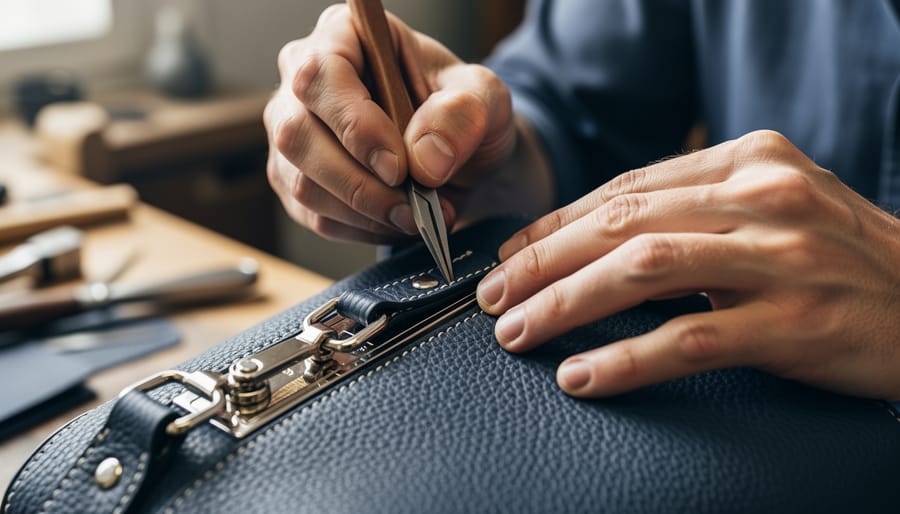
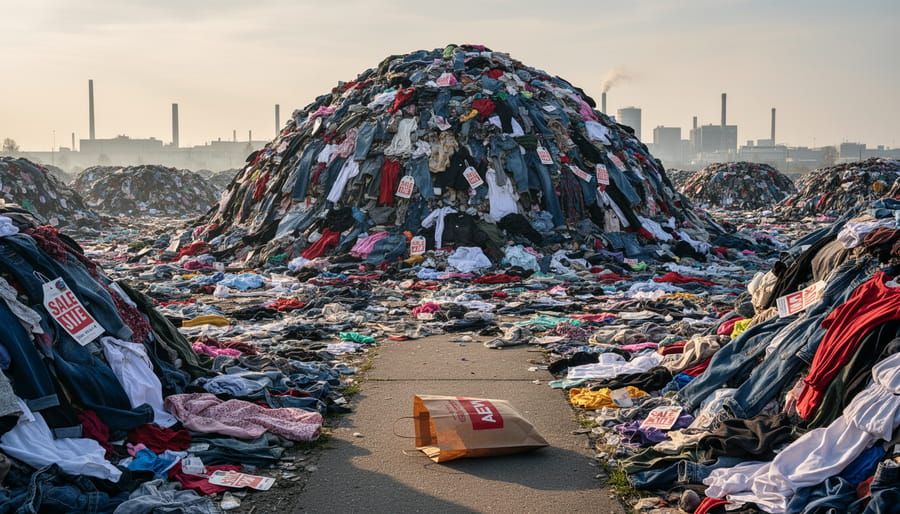
Behind the glossy campaigns and flagship stores, many conventional luxury brands have relied on the same problematic practices as fast fashion, just wrapped in better packaging. Leather goods bearing luxury logos often come from tanneries using chromium processing that poisons waterways. That cashmere sweater with the coveted label? It might come from suppliers linked to overgrazing that turns grasslands into desert. The disconnect is jarring: you pay thousands for a handbag, yet the artisan who stitched it may earn barely enough to live.
What makes this particularly troubling is how luxury branding has historically discouraged scrutiny. The message was clear: if you can afford it, you don’t need to ask where it came from. Prestige became a shield against accountability, and consumers were left assuming that high price automatically meant high ethics. It rarely did.
The environmental footprint of luxury fashion rivals that of mass-market brands when you account for resource-intensive materials, energy-hungry production facilities, and global shipping networks. A single leather handbag can generate more carbon emissions than a year of electricity use in some homes. Luxury also pioneered the destructive practice of destroying unsold inventory to maintain exclusivity, literally burning money and resources to protect brand mystique.
The social costs are equally stark. Investigations have repeatedly found luxury supply chains employing underpaid workers in countries with weak labor protections. The craftspeople creating pieces that sell for tens of thousands often see a fraction of that value reach their communities. True luxury should elevate everyone it touches, not extract value at the bottom to concentrate it at the top.
How Luxury Ethical Brands Are Changing the Game
Transparent Supply Chains You Can Actually Trust
Leading ethical luxury brands have recognised that beautiful words mean nothing without proof. They’re using blockchain technology, QR codes, and digital passports to show exactly where each garment comes from, factory names, fabric sources, dye processes, the lot. Stella McCartney’s supply chain map lets you trace a coat from organic cotton fields in India through Italian mills to London ateliers. Reformation publishes sustainability scorecards for every product, calculating water saved and carbon offset with specifics you can actually verify.
The shift from vague claims to traceable, verifiable data separates genuine commitment from clever marketing. Look for brands sharing supplier lists publicly, posting facility audits online, or embedding product journeys in apps. Certifications like Fair Trade, GOTS, and B Corp matter because third parties verify the claims, but even these need backing with real transparency, names, locations, and evidence you can check yourself.
Some brands invite customers to visit production sites or host virtual factory tours. Eileen Fisher maintains an online database showing which facilities make which items, complete with worker welfare policies. This openness requires courage; it exposes imperfections and ongoing challenges. But that honesty builds trust far more effectively than airbrushed perfection ever could.
Materials That Heal Rather Than Harm
The materials revolution in luxury ethical fashion goes far beyond swapping one fabric for another, it represents a fundamental reimagining of what luxury textiles can be. Instead of depleting ecosystems, today’s most coveted materials actively restore them, turning fashion production into an act of environmental healing rather than harm.
Organic peace silk exemplifies this shift beautifully. Unlike conventional silk production, which typically boils silkworms alive in their cocoons, peace silk allows the moths to complete their lifecycle naturally before harvesting. The resulting fabric maintains that signature lustrous drape luxury consumers expect while honoring the creatures who created it. Several high-end designers now source exclusively from small Indian cooperatives where this ancient, compassionate method has been practiced for generations.
Plant-based leathers have evolved dramatically from their early iterations. Modern versions crafted from pineapple leaves (Piñatex), mushroom mycelium, and cactus fibers now rival traditional leather in durability and finish, while their production uses a fraction of the water and land. These materials often utilize agricultural waste that would otherwise be burned, transforming a pollution source into a premium product. The Hermès Victoria bag made from mushroom leather, for instance, looks and feels indistinguishable from calfskin yet requires no animal agriculture.
- Organic silk and cotton grown without pesticides, preserving soil health and farmer wellbeing
- Recycled cashmere and wool reclaimed from existing garments, reducing demand for virgin fibers
- Tencel and other tree-based fabrics produced in closed-loop systems that recycle water and solvents
- Lab-grown diamonds and recycled precious metals that eliminate mining’s environmental devastation
- Deadstock fabrics rescued from overproduction, giving luxury materials a second life
What makes these materials truly luxurious isn’t just their environmental credentials, it’s the innovation, craftsmanship, and often years of research behind them. A dress made from orange fiber developed in Sicily or jewelry featuring recycled ocean plastic transformed into lustrous gems tells a story of human ingenuity solving problems rather than creating them. When you wear these pieces, you’re not compromising on quality or beauty; you’re choosing materials with purpose woven into every thread.
Artisan Communities Thriving Through Fair Partnerships
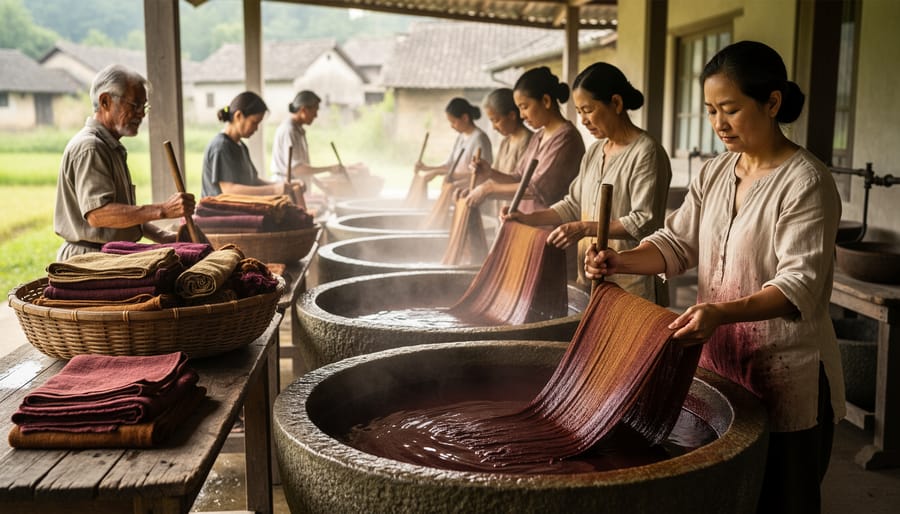
When luxury fashion brands partner fairly with artisan communities, the results go far beyond beautiful garments. In Guatemala, Maya weavers working with ethical luxury labels now earn three times what they made selling to fast fashion middlemen, allowing them to send their daughters to school while preserving centuries-old backstrap weaving techniques. A collective of indigo dyers in India transformed their village economy through a partnership that values their natural dyeing mastery, what was once survival work now supports 45 families with dignified incomes and renewed pride in their craft.
These aren’t charity projects. They’re genuine business relationships built on respect, fair pricing, and multi-season commitments that give artisans financial stability. The weavers decide their schedules, the dyers teach their children traditional methods, and both groups see their work celebrated on international runways. This is luxury fashion functioning as it should: creating beauty while strengthening the hands that make it.
Making Luxury Ethical Fashion Work for Your Life
Building a Capsule Wardrobe with Purpose
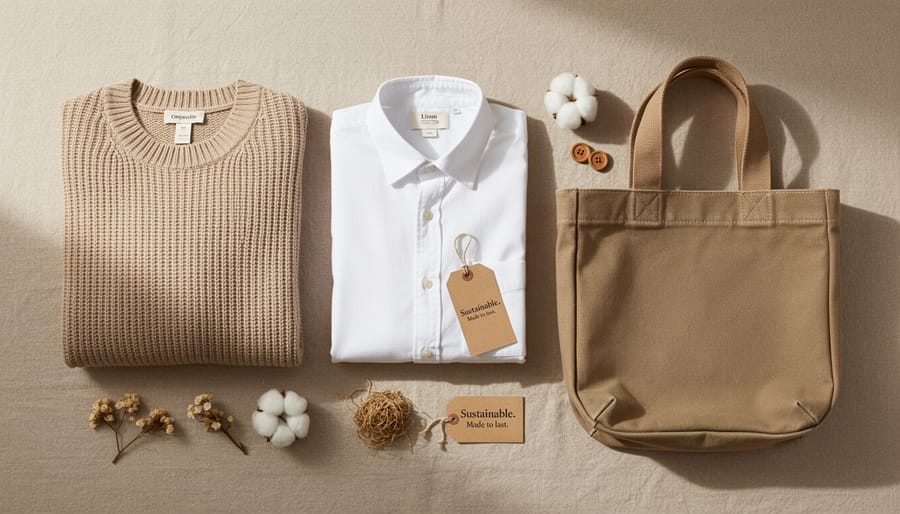
A purposeful capsule wardrobe starts with honest assessment of your actual lifestyle, not aspirational Pinterest boards. Begin with five to seven foundational pieces that genuinely serve your daily needs, perhaps a perfectly tailored blazer in organic linen, ethically made denim that fits like second skin, or a silk blouse from a transparent supply chain.
Choose pieces that work together effortlessly. A capsule thrives on versatility, where each item pairs with at least three others. Look for neutral bases with one or two statement pieces that reflect your personality. Quality ethical fashion naturally lends itself to this approach because the craftsmanship and materials justify the investment cost per wear.
Consider the three-year test: will this piece still feel relevant and beautiful three years from now? Ethical luxury brands design for longevity, not trends. That cashmere sweater from a fair-trade cooperative or those handcrafted leather boots become more valuable over time, developing character while fast fashion equivalents end up in landfills.
Start small. Replace worn items thoughtfully rather than overhauling everything at once, allowing your wardrobe to evolve naturally toward pieces that truly earn their space.
Spotting Genuine Ethics Behind the Marketing
Start by asking three direct questions: Where was this made? Who made it? What is it made from? Brands with nothing to hide answer readily on their website or through customer service. Vague responses about “ethical partners” or “sustainable practices” without specifics signal marketing fluff rather than substance.
Watch for certification logos, but verify them. Legitimate third-party certifications require rigorous audits and transparent standards. Marketing buzzwords, by contrast, sound impressive yet mean nothing without accountability.
| Legitimate Certifications | Empty Marketing Buzzwords |
|---|---|
| Fair Trade Certified, B Corp, GOTS (Global Organic Textile Standard) | “Eco-friendly,” “conscious,” “green” |
| Specific claims with verification links | Generic sustainability statements without proof |
| Published factory lists and audit reports | “We care about our workers” without details |
| Material breakdowns with percentages | “Made with sustainable materials” (unspecified) |
Red flags include limited transparency despite premium prices, sustainability claims buried in fine print, and collections labeled “conscious” without explaining how they differ from standard lines. Authentic brands lead with their ethics because they’re proud of the work. They share factory names, show artisan faces, publish impact reports, and welcome questions.
Check whether brands acknowledge imperfection and ongoing improvement rather than claiming they’ve solved everything. Honest conversations about challenges and next steps demonstrate integrity. A brand that admits it’s still working toward zero waste but shows measurable progress beats one claiming perfection through recycled polyester alone.
The Joy of Pieces That Tell a Story
Every garment you wear can be a conversation piece that goes deeper than aesthetics. When you choose luxury ethical fashion, you’re not just buying a beautifully crafted dress or handwoven scarf, you’re investing in a piece with provenance. You know who made it, where they live, and what traditions they’re keeping alive through their craft.
This connection transforms how you relate to your wardrobe. Instead of disposable trends, you own pieces that carry meaning: the cashmere sweater hand-knitted by women’s cooperatives in Mongolia, the silk blouse dyed using techniques passed down through generations in India. Each time you wear them, you’re reminded of the hands and heritage behind the fabric. You start introducing pieces by saying “This was made by…” rather than “I got this at…”
That emotional investment changes everything. You care for items differently when you know the maker’s story. You repair rather than replace. You appreciate the slight variations that prove human hands shaped this creation. The imperfections become points of pride, not flaws, evidence of authenticity in a world drowning in sameness.
Voices from the Movement: Interviews with Changemakers
When Maya Reddy launched her luxury silk label five years ago, investors told her she’d have to choose between ethics and profitability. She proved them wrong. “We pay our artisans triple the local minimum wage and still maintain healthy margins,” she explains from her studio in Chennai. “The secret isn’t complicated, we eliminated the wasteful middlemen andmarkups that traditional luxury relies on. Our customers aren’t paying for advertising campaigns or flagship store rent. They’re paying for extraordinary craftsmanship and genuine impact.”
Her journey mirrors a broader shift happening across the industry. Former fast fashion buyer turned sustainability advocate James Chen spent fifteen years working for major luxury conglomerates before walking away. “I watched brands charge $3,000 for garments made in factories where workers earned $2 a day,” he recalls. “The cognitive dissonance became unbearable. Real luxury should elevate everyone involved in its creation, not just the person wearing it.”
Chen now consults with emerging ethical brands, helping them scale without compromising values. He’s optimistic about what he’s seeing. “Five years ago, ethical meant compromising on aesthetics or fit. Today’s ethical luxury designers are creating pieces that rival, often surpass, traditional luxury in quality and beauty. They’re just doing it without the exploitation.”
Consumer perspectives reveal why this movement is gaining momentum. Sarah Okonkwo, a marketing director from Lagos, describes her transformation. “I used to measure status by logo size. Now I measure it by the story behind my clothes.” Her wardrobe now consists of thirty carefully chosen pieces, each connecting her to artisans she’s researched. “I know the women who dyed the fabric for my favorite dress. I’ve seen photos of their workshop, their families. That connection makes me value and care for these pieces differently. I haven’t bought anything new in eight months because I genuinely don’t need to.”
Designer Annika Sørensen, whose Copenhagen-based label uses only deadstock fabrics and zero-waste patterns, sees this approach as fashion’s inevitable future. “Luxury has always been about rarity and craftsmanship. We’ve just temporarily lost our way with mass production and artificial scarcity. Returning to genuinely limited, meticulously crafted pieces that honor both maker and wearer isn’t revolutionary, it’s remembering what luxury actually means.”
The Ripple Effect: How Your Choices Create Change
When you choose a luxury ethical piece over a conventional alternative, you’re casting a vote that reverberates far beyond your closet. That single purchase sends a signal through an entire industry watching consumer behavior with unprecedented attention. Brands track what sells, what generates conversation, and what builds loyalty. Every time ethical luxury outperforms traditional options, it forces boardrooms to reconsider their practices.
Major fashion houses have already begun responding. Several heritage luxury brands launched their first transparent supply chain initiatives in 2025 after watching smaller ethical competitors gain market share among high-spending millennials and Gen Z consumers. Your purchase decisions literally shape corporate strategy meetings where executives decide whether sustainability is a marketing afterthought or a core business model.
The economic impact extends to communities you’ll never visit but directly support. When you buy from brands with fair labor partnerships, you’re contributing to stable incomes that fund children’s education, improve healthcare access, and strengthen entire villages. One ethical fashion cooperative in rural India reported that consistent orders from luxury brands allowed them to establish a community health clinic and adult literacy program. Your wardrobe literally builds infrastructure.
The circular economy depends on participation. Luxury ethical brands often offer repair services, buy-back programs, and resale partnerships that keep pieces in circulation for decades rather than heading to landfills after a few seasons. When you engage with these systems, you validate the business model and encourage more brands to invest in longevity over disposability.
Perhaps most powerfully, your choices inspire others. When friends admire your beautifully crafted piece and you share its story, who made it, how it was sourced, why it matters, you plant seeds. Consumer behavior spreads through social networks. The fashion choices we normalize within our circles create new expectations about what luxury should mean.
The shift to luxury ethical fashion isn’t about giving up something you love. It’s about discovering what luxury really means when you look beyond the label.
When you choose pieces crafted with care for both people and planet, you’re not settling for less, you’re gaining more. More durability in garments made to last seasons instead of weeks. More connection to the hands that shaped each seam and the cultures that inspired each design. More confidence knowing your closet reflects who you are, not just what you can afford.
This is luxury redefined for 2026. Not the old model of exclusivity and extraction, but a new standard where beauty and responsibility walk hand in hand. Where the story behind your favorite blazer matters as much as how it fits. Where quality isn’t measured only in thread count but in fair wages, regenerative practices, and techniques preserved across generations.
You already have the power to shape this future. Every purchase is a vote for the fashion industry you want to see, one that celebrates artisans, protects ecosystems, and creates pieces worth keeping forever. The brands leading this movement have proven that ethical doesn’t mean compromising on style, and luxury doesn’t require looking away from impact.
Your wardrobe deserves this upgrade. So does everyone who makes it possible.