What Is Greenwashing in Fashion (and How to Spot It)?

Greenwashing in fashion is the practice of making misleading or unsubstantiated environmental claims to appear more sustainable than a brand actually is. It’s when a company spends more effort marketing itself as eco-friendly than actually reducing its environmental impact.
You’ve probably seen it: a clothing brand launches a “conscious collection” made from recycled polyester while the rest of their inventory relies on polluting fabrics and exploitative labor. Or a retailer plasters green leaves across their website while continuing to churn out disposable trends at breakneck speed. These tactics aren’t just frustrating, they make it genuinely difficult to support companies doing real environmental work.
The fashion industry has caught onto the fact that sustainability sells. As more shoppers seek out ethical alternatives, brands rushed to rebrand themselves as green without changing much behind the scenes. Many environmental claims made by fashion brands remain vague, unverified, or outright misleading, creating a fog of confusion for anyone trying to shop their values.
This article will help you see through the smoke. You’ll learn exactly how greenwashing works, the most common tactics brands use to deceive conscious consumers, and practical ways to spot false claims before you buy. We’ll also look at what genuine sustainability actually looks like, so you can confidently invest in brands making a real difference. Understanding greenwashing isn’t about becoming cynical, it’s about becoming empowered to vote with your wallet for the future you want to see.
What Greenwashing in Fashion Really Means
Greenwashing in fashion is the practice of making your clothing or accessories appear more environmentally friendly than they actually are through misleading marketing, vague claims, or strategic omission of facts. It’s when a brand’s green messaging doesn’t match the reality of how their products are made, what materials they truly contain, or the overall impact of their business practices.
Think of it as the difference between a window display and what’s happening in the back rooms. A company might plaster their website with images of cotton fields and flowing water while their supply chain relies heavily on resource-intensive processes they conveniently don’t mention. They might launch a small “conscious collection” of ten items made from organic materials, then promote it extensively while producing thousands of conventionally-made garments that generate significant waste and pollution.
The gap between claims and reality often hides in the details. A brand promotes a shirt as “made from recycled materials” without clarifying that only 20% of the fabric is actually recycled, or they’ll use feel-good phrases that sound impressive but mean very little when you examine them closely.
- Eco-friendly
- A vague, unregulated term that can mean almost anything since there’s no standard definition or requirement to prove environmental benefit.
- Conscious Collection
- Marketing language for a limited product line positioned as more sustainable, often used to create a green halo effect over a brand’s broader practices.
- Sustainable Materials
- An umbrella phrase that may reference one aspect of a fabric while ignoring water use, chemical processing, or end-of-life impact.
- Natural Fibers
- Materials derived from plants or animals, but “natural” doesn’t automatically mean environmentally sound when cultivation involves pesticides or intensive land use.
The language of greenwashing is designed to make you feel good about a purchase without providing the transparency needed to verify those warm feelings. Brands know that many consumers want to shop responsibly, and they’ve learned to speak that language without necessarily walking the walk. The result is marketing that tells a compelling environmental story while the actual practices remain largely unchanged.
How Greenwashing Works in the Fashion Industry
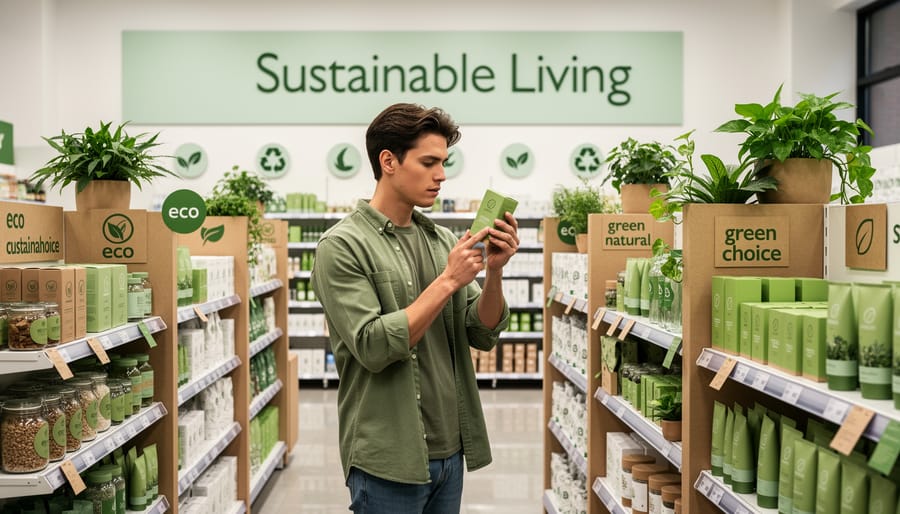
Fashion brands deploy greenwashing strategies with remarkable consistency across the industry. Understanding how these tactics work helps you recognize them before you buy.
At its core, greenwashing relies on creating an emotional connection to nature and environmental values without making the operational changes those values demand. Brands use imagery of green leaves, earth tones, and serene landscapes in their marketing while their supply chains continue business as usual. The language shifts to include words like “eco,” “conscious,” and “responsible” without defining what those terms actually mean in practice.
One powerful tactic is selective disclosure, where a brand highlights one positive environmental action while staying silent about everything else. A company might promote using recycled polyester in a product line, for instance, while not mentioning the water pollution from dyeing processes, factory working conditions, or the fact that only five percent of their total production uses that material. This creates an illusion of comprehensive environmental commitment from a fragment of truth.
Vague claims flourish because they’re difficult to challenge. Phrases like “made with sustainable materials” or “part of our green initiative” sound meaningful but communicate almost nothing concrete. What percentage of materials? Sustainable according to which standard? Which specific initiative, and what are its measurable outcomes? The vagueness is intentional because it allows brands to benefit from the positive association without the accountability of specific promises.
Common greenwashing tactics include:
- Hidden trade-offs that emphasize one green attribute while ignoring larger environmental costs
- Vagueness with undefined terms like “natural” or “eco-friendly” that carry no verifiable meaning
- Irrelevant claims that are technically true but meaningless, such as “CFC-free” for products that never contained CFCs
- False labels and self-created badges designed to mimic legitimate third-party certifications
- Lesser of two evils positioning that frames slightly better options as genuinely sustainable
The psychology behind why these tactics work is straightforward. Many shoppers genuinely want to make better choices but face time constraints and information overload. When a familiar brand offers what appears to be a sustainable option at a convenient price point, it feels like a win. The relief of finding an “easy” sustainable choice can override the impulse to investigate further, especially when the marketing is designed to make you feel good about the purchase.
You can find numerous examples of greenwashing across different price points and market segments, which shows this isn’t about a few bad actors but rather a widespread industry pattern. Recognizing these mechanics gives you the foundation to spot them in real shopping situations.
Common Types of Fashion Greenwashing
Misleading Material Claims
Brands frequently highlight eco-friendly materials in their marketing while leaving out crucial details that tell the full story. A garment labeled “made with organic cotton,” for instance, might contain only five percent organic fibers blended with conventional cotton, yet the packaging and imagery suggest the entire piece is sustainable. Similarly, bamboo fabric sounds naturally green, but most bamboo textiles undergo chemical-intensive processing that transforms the plant into rayon through methods that can release harmful substances into waterways.
Recycled polyester claims present another common gray area. While using post-consumer plastic bottles does divert waste, brands rarely disclose what percentage of the fabric is actually recycled versus virgin polyester, or acknowledge that synthetic materials still shed microplastics with every wash. You might see a hangtag celebrating recycled content without mentioning that the garment’s construction, dyes, or finishing treatments involve conventional processes.
The issue isn’t that these materials can’t be part of sustainable fashion. It’s the selective storytelling. When a brand highlights one green element while staying silent about the rest of their supply chain, percentages, and processing methods, you’re seeing only part of the picture. True material transparency means sharing the complete composition, sourcing details, and environmental trade-offs, not just the most marketable claim.
False or Exaggerated Certifications
Not all eco-badges carry the same weight. Some brands design proprietary labels that look official but answer to no external standards, a green leaf icon or “eco-friendly” banner that sounds reassuring but means nothing beyond the company’s own marketing department. Others display certifications that do exist but apply only to a tiny fraction of their business, creating the illusion of comprehensive accountability.
Authentic third-party certifications come with transparency. Look for clear information about who granted the certification, what criteria were met, and which specific products or processes it covers. Labels like GOTS (Global Organic Textile Standard), Fair Trade, or OEKO-TEX have public standards, independent audits, and verifiable documentation. If you can’t find details about a certification’s requirements or verifying body, treat it with skepticism.
When you see misleading eco labels ask questions. Does the brand explain what the badge actually certifies? Can you trace it back to an independent organization? A legitimate certification should be easy to verify and specific about its scope, not a vague promise wrapped in green graphics.
Capsule Collection Camouflage
A brand announces a small collection of organic cotton T-shirts and recycled denim with great fanfare, billboards, influencer campaigns, glossy sustainability reports. Meanwhile, their core business continues pumping out thousands of synthetic garments weekly under unchanged practices. This is capsule collection camouflage, and it’s one of the most polished forms of greenwashing.
The tactic works because it creates a sustainability halo. Shoppers see the eco-friendly capsule and assume the entire brand shares those values. In reality, that small collection might represent less than five percent of total production, while the remaining ninety-five percent relies on conventional processes, questionable labor conditions, and zero transparency.
You’ll recognize this pattern when a brand’s sustainable line is promoted heavily but hard to find in stores, when it’s priced significantly higher than regular items, or when there’s no information about how the rest of their inventory is made. The sustainable capsule becomes a marketing shield rather than evidence of real change.
Genuine commitment shows up differently: transparency across all product lines, clear timelines for broader improvements, and measurable progress reports that cover the entire business, not just a photogenic side project.
Why Greenwashing Happens (and Who It Affects)

Greenwashing isn’t born from pure malice. It emerges at the intersection of real business pressures and genuine consumer demand for sustainable options. Fashion brands face immense competition and razor-thin margins, particularly in the fast fashion sector. When customers increasingly ask for eco-friendly products but aren’t willing to pay significantly more or wait longer for them, brands feel caught between ethical ideals and economic survival.
The pressure to appear sustainable can outpace a company’s ability to actually become sustainable. Real change requires overhauling supply chains, investing in new materials, retraining workers, and accepting higher costs. Greenwashing offers a shortcut: the appearance of progress without the difficult transformation. A green hangtag costs pennies. Transparent supply chain auditing costs millions.
Many brands also genuinely want to improve but lack the knowledge or resources to do it thoroughly. They highlight the one improvement they’ve made while overlooking ten areas that remain problematic. It’s selective honesty rather than deliberate deception, though the impact on consumers remains the same.
But here’s what matters most: greenwashing has real victims. When brands claim sustainability without delivering it, the people who made your clothes often work in unsafe conditions for poverty wages. Communities near production facilities still breathe polluted air and drink contaminated water. The environment continues to absorb toxic dyes, microplastics, and textile waste.
Consider the garment worker in Bangladesh who sees her factory’s “green” certification displayed proudly while the ventilation system remains broken and overtime is still mandatory. Or the river in India that runs bright blue on Tuesdays from nearby denim factories claiming eco-friendly processes.
Greenwashing also affects you. It steals your power to make informed choices and turns your values into a marketing opportunity. When you invest extra money in what you believe is a sustainable purchase, only to discover it was hollow marketing, that betrayal makes future conscious shopping feel pointless.
Understanding these pressures doesn’t excuse greenwashing, but it helps us recognize where to direct our questions and demands for accountability.
How to Spot Greenwashing When You Shop
You don’t need a degree in environmental science to identify questionable sustainability claims. With a few simple strategies, you can build confidence in your shopping choices and protect yourself from misleading marketing.
Start by questioning vague language. If a brand uses words like “eco-friendly,” “natural,” or “conscious” without explaining what those terms mean in their specific context, that’s your first warning sign. Genuine sustainable brands provide concrete details about materials, processes, and impacts. Ask yourself: What exactly makes this product better for the environment? If the answer isn’t clear from the brand’s communication, dig deeper or move on.
Look for specifics over generalities. A claim like “made with recycled materials” should tell you what percentage of the product is recycled and which materials specifically. “Sustainable practices” should describe actual methods, whether that’s water reduction targets, renewable energy use, or fair wage commitments. Brands committed to real change share measurable information because they’re proud of their progress.
Watch for these common greenwashing red flags:
- Vague environmental language without supporting details or definitions
- Missing data on material percentages, sourcing, or manufacturing locations
- Self-created badges or certifications instead of recognized third-party verification
- Green marketing on one small collection while the rest of production remains opaque
- Claims that sound too good to be true without explanation of how they’re achieved
Check for third-party certifications you can verify. Standards like GOTS for organic textiles, Fair Trade for ethical labor, or B Corp for overall business practices involve independent auditing. You can often look up a brand’s certification status on the certifying organization’s website. If a brand displays a badge you’ve never heard of, search for it. Many invented credentials are designed to look official without meaning anything.
Compare a brand’s sustainability claims to their broader practices. Do they talk about organic cotton while offering next-day shipping globally or releasing new collections weekly? These contradictions suggest greenwashing. Understanding basic sustainability basics helps you recognize when pieces of the story don’t fit together.
Finally, trust your instincts. If something feels off or too polished without substance, your skepticism is probably justified. Building this awareness takes practice, but each time you ask questions and verify claims, you’re getting better at separating genuine commitment from clever marketing.
Real Solutions: What Genuine Sustainability Looks Like
After understanding how to identify greenwashing, you deserve to know what real sustainability actually looks like. The difference is stark: authentic brands don’t hide behind buzzwords. They show their work.
Transparency sits at the heart of genuine change. Real sustainable brands publish detailed information about their supply chains, not just vague statements about “responsible sourcing,” but actual factory names, locations, and working conditions. They’ll tell you where your shirt was made, who sewed it, and what they were paid. This openness isn’t marketing; it’s accountability.
Traceability follows closely behind. Authentic brands can trace materials from raw fiber to finished garment. They know their cotton farmers, understand their dyeing processes, and can explain every step. When a brand says their product is organic or recycled, they provide certifications you can verify, Global Organic Textile Standard, Fair Trade, or Cradle to Cradle, not self-created badges.
Measurable commitments separate real action from performance. Look for brands setting specific, time-bound goals: reducing carbon emissions by a certain percentage by a stated year, achieving living wages for all workers by a deadline, or eliminating virgin polyester entirely from their collections. They publish progress reports showing where they’ve succeeded and where they’re still working.
Worker welfare reveals true values. Brands committed to the ethical fashion future prioritize people alongside planet. They ensure safe conditions, fair pay, and dignified treatment throughout their supply chains.
Some brands get this right without charging premium prices. Companies producing basics with full supply chain transparency, brands using deadstock fabrics to prevent waste, and cooperatives owned by the artisans who make the clothes, these demonstrate that sustainability doesn’t require exclusivity. Real change happens when transparency, accountability, and respect for people become non-negotiable standards, not marketing angles.
Your Questions About Fashion Greenwashing, Answered

How can I tell if a brand is genuinely sustainable or just greenwashing?
Look for specific, measurable information rather than vague claims. Trustworthy brands publish detailed sustainability reports showing exact percentages, factory locations, and progress toward clear goals, not just pretty statements about caring for the planet.
What should I do if I discover a brand is greenwashing?
You can report misleading environmental claims to consumer protection agencies like the FTC, share your findings respectfully on social media, and choose to spend your money elsewhere. Your voice as a consumer matters more than you might think.
Are there any certifications I can actually trust?
Yes. Look for third-party certifications like Global Organic Textile Standard (GOTS), Fair Trade Certified, Bluesign, or Cradle to Cradle. These require independent audits and have strict standards, unlike brand-created badges that mean nothing.
Is greenwashing illegal?
It can be. False advertising laws apply to environmental claims, and regulators in Europe, the UK, and North America are strengthening enforcement. The EU’s proposed Green Claims Directive would require brands to substantiate sustainability statements before making them public.
Can small actions by individual shoppers really make a difference?
Absolutely. When enough people ask questions, demand transparency, and shift their spending, brands notice. Companies respond to market pressure, and your choices signal what you value.
Where can I find information about which brands are trustworthy?
Check independent resources like Good On You (rates brands on environmental and social impact), Fashion Revolution’s transparency index, and certification databases. These platforms compile verified information so you don’t have to investigate every brand from scratch.
Building your greenwashing radar takes practice, but you’re not starting from zero. Every question you ask makes you a more informed shopper. Start with one or two brands you already buy from and dig into their sustainability pages. Notice how they communicate. Do they share hard numbers and factory names, or just nature imagery and aspirational language?
Remember that perfect doesn’t exist in fashion sustainability yet. You’re looking for honesty and genuine effort, not flawless practices. Brands that admit challenges and show year-over-year improvement often deserve more trust than those claiming to have solved everything. Your growing awareness creates accountability, one purchase decision at a time.
You’ve taken an important step just by learning what greenwashing looks like and how it operates. That knowledge changes how you shop, what questions you ask, and which brands earn your trust. Every time you pause to check a claim or dig deeper into a label, you’re voting with your wallet for a more honest, accountable fashion industry.
This isn’t about achieving perfection overnight. Conscious shopping is a journey, and you’ll learn more with every purchase. Some days you’ll have the time and resources to choose the most sustainable option. Other days you’ll do the best you can with what’s available. Both are valid, and both matter.
What makes this movement powerful is that you’re not alone. Millions of people around the world are asking the same questions, sharing what they discover, and holding brands accountable together. When we collectively demand transparency, companies listen. When we celebrate the brands doing genuine work, we help them grow.
Keep questioning vague claims. Keep seeking out transparency. Keep sharing what you learn with friends who care. Your awareness is already making a difference, and the more you use it, the harder it becomes for greenwashing to thrive. The future of fashion gets a little more honest every time someone like you decides that empty promises aren’t good enough anymore.