Jordane Cosmetics (Nature’s Own): The Canadian Private Label Making Sustainable Beauty Accessible
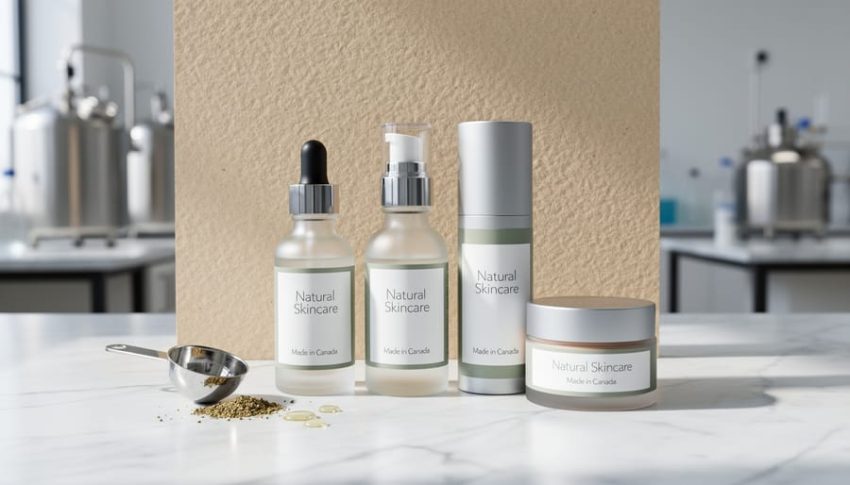
Jordane Cosmetics, operating under the name Nature’s Own Cosmetics, offers a compelling gateway for conscious entrepreneurs who want to launch their own beauty brand without the typical barriers of high minimums and factory-scale production runs. This Canadian-based private label manufacturer specializes in custom cosmetics and skincare, positioning itself as a full turnkey solution that works with premium ingredients and promises no minimum order requirements. For anyone researching whether private label manufacturing aligns with sustainable beauty goals, understanding how Nature’s Own Cosmetics operates reveals both the opportunity and the responsibility inherent in this business model.
The private label approach has transformed beauty entrepreneurship over the past decade. Instead of developing formulas from scratch or investing in manufacturing infrastructure, you partner with an established manufacturer who produces products under your brand name. Nature’s Own Cosmetics has built its reputation on this model, helping customers create complete makeup and skincare lines through custom manufacturing services. The appeal is clear: lower financial risk, faster time to market, and access to existing formulations that meet regulatory standards.
But here’s what matters most for environmentally-conscious founders. Private label manufacturing isn’t automatically sustainable just because a company mentions premium ingredients. The real work lies in asking the right questions about sourcing, packaging choices, ingredient transparency, and ethical production practices. This partnership model can absolutely support your values, but only when you approach it with clear criteria and refuse to compromise on what makes beauty truly clean and responsible.
The Private Label Revolution: Making Beauty Entrepreneurship Accessible
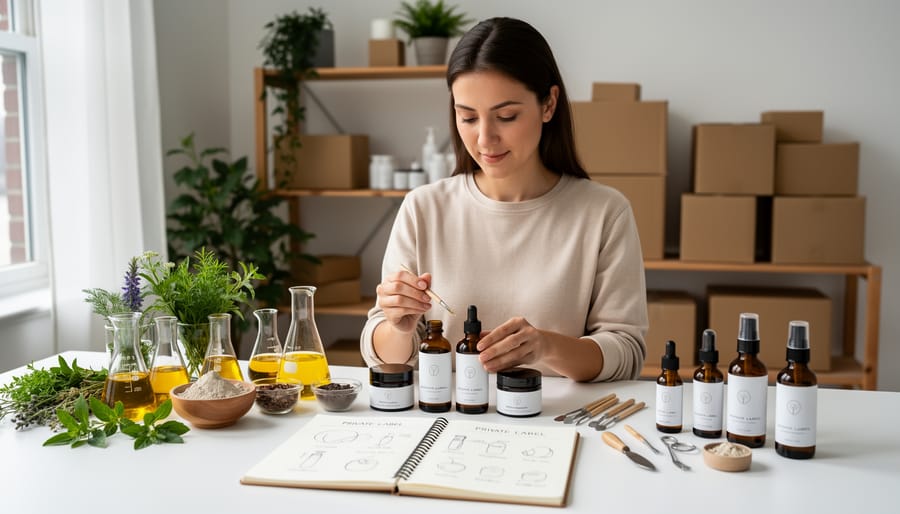
Private label cosmetics flip the traditional beauty industry model on its head. Instead of spending years and hundreds of thousands developing formulas in-house, brands work with specialized manufacturers who’ve already perfected the science. You choose from proven formulations, or collaborate on custom tweaks, then apply your brand identity through packaging, messaging, and values. The manufacturer handles production while you focus on building community and telling your story.
This approach has exploded in relevance as more conscious consumers want transparency and more entrepreneurs want to challenge conventional beauty. The 2026 forecast for growth in the private label cosmetics sector reflects this shift: people are tired of inflated prices justified by marketing budgets rather than ingredient quality. Private label lets smaller, mission-driven brands compete on substance instead of advertising spend.
For sustainable beauty founders specifically, private label removes the biggest barrier to entry, the capital and expertise needed to formulate from zero. You can launch with products that already meet safety standards, use quality ingredients, and deliver results, then pour your energy into sourcing ethical packaging, building genuine relationships with customers, and creating the transparency the beauty industry desperately needs. It’s not about cutting corners. It’s about focusing your resources where they’ll make the biggest impact on both people and planet.
Inside Jordane Cosmetics (Nature’s Own Cosmetics): A Canadian Approach to Conscious Manufacturing

The No-Minimum Model: What It Means for Small Brands
Traditional cosmetics manufacturing demands hefty minimums, often thousands of units per product. That’s fine if you’re an established brand with deep pockets and warehouse space, but it’s a dealbreaker for someone testing the waters with a sustainable beauty concept. You’re forced to either overcommit before you’ve validated your market or abandon the idea altogether.
Nature’s Own Cosmetics flips this script. Their no-minimum model means you can order what you actually need, not what a factory demands. Launch with 50 lipsticks instead of 5,000. Test a facial serum with your community before committing to massive inventory. This isn’t just convenient; it’s transformative for conscious entrepreneurs who prioritize intention over excess.
Lower minimums also mean less waste. You’re not stuck with thousands of units of a shade that didn’t resonate or a formula that needs tweaking. For sustainable beauty founders, this aligns manufacturing with values: produce what serves your community, refine based on real feedback, and scale thoughtfully rather than gambling on overproduction. It removes the financial barrier that kept quality manufacturing accessible only to those who could afford to take big risks upfront.
Custom Manufacturing vs. Off-the-Shelf: Understanding Your Options
When you partner with a private label manufacturer, you’re choosing between two distinct paths: custom formulation or working with established formulas. Understanding this distinction shapes everything from your timeline to your budget to how unique your final products can be.
Custom formulation means building a product from scratch with the manufacturer’s chemists. You specify ingredients, textures, performance goals, and sustainability priorities, then collaborate through multiple rounds of testing until the formula matches your vision. This path gives you complete control over what goes into your products and creates true differentiation in the market. It’s ideal if you have specific ingredient requirements, want to avoid certain controversial compounds, or need formulations that reflect your brand’s unique values. The tradeoff? Custom development takes longer and typically costs more upfront, though many manufacturers like Nature’s Own Cosmetics have made this accessible even for smaller brands.
Off-the-shelf formulas are pre-developed products the manufacturer offers as starting points. These existing formulations are proven, tested, and ready to produce quickly. You select from their catalog, choose your packaging and branding, and launch. This approach dramatically shortens your time to market and reduces initial investment, making it perfect for testing market interest or launching your first products while you build your brand foundation.
Neither path is inherently more sustainable. What matters is whether the formulas meet your ingredient standards and whether the manufacturer’s values align with yours. Many conscious founders start with existing sustainable formulas, then develop custom products as their brand grows and their specific vision crystallizes.
Why Sustainable Entrepreneurs Are Turning to Private Label
Private label manufacturing has become a game-changer for entrepreneurs who want to build sustainable beauty brands without the typical barriers. The appeal is simple: you can launch a mission-driven line faster and more affordably, while sidestepping many of the pitfalls that derail conscious beauty startups.
The most immediate benefit is access to proven formulations. When you partner with an established manufacturer, you’re working with recipes that have already been tested, refined, and proven safe. That means no endless lab trials, no wasted batches of failed experiments, and significantly less product going to waste during development. For founders who want to fight microplastics and reduce environmental impact from day one, this matters enormously.
There’s also a strategic advantage many founders overlook: private label frees you to focus on what actually differentiates your brand. Instead of spending years perfecting formulations, you can pour your energy into ethical packaging choices, transparent messaging, and building a community around your values. The product quality is handled; your job is to communicate why your brand exists and who it serves.
Time to market is another critical factor. Sustainable beauty is having a moment, and consumers are actively seeking brands that align with their values. Private label allows you to respond to this demand quickly, getting products into customers’ hands while the momentum is strong. You’re not waiting two years for R&D while competitors fill the gap.
Finally, there’s the financial reality. Developing formulations from scratch requires significant capital, specialized expertise, and patience most startups can’t afford. Private label shifts those risks to the manufacturer, letting you test your brand concept and build traction before committing to massive investments. It’s conscious entrepreneurship that actually scales.
What to Look for in a Private Label Cosmetics Partner
Choosing the right private label partner is like hiring a co-creator for your brand. You’re not just buying products, you’re aligning with a manufacturer’s values, processes, and reputation. Here’s how to evaluate potential partners through a sustainability-first lens.
Start by examining ingredient transparency. A manufacturer committed to conscious beauty should willingly share full ingredient lists, sourcing information, and safety data. Ask where ingredients come from and whether they’re organic, fair-trade, or wildcrafted. If a company hesitates to provide this information or hides behind vague “proprietary blend” language, that’s a red flag. Your customers will ask these questions too, and you need solid answers.
Certifications matter, but dig deeper than logos on a website. Look for third-party verification from recognized bodies: USDA Organic, Leaping Bunny, EcoCert, or Fair Trade certification. In Canada, manufacturers must comply with Health Canada regulations, and the Canada cosmetics labelling guide provides a framework for transparency. But remember, not every small ethical manufacturer can afford expensive certifications. Sometimes a detailed conversation about their practices reveals more than a certificate.
Manufacturing practices tell you who they really are. Tour the facility if possible, or request a virtual walkthrough. How do they handle waste? What’s their energy source? Do they prioritize worker safety and fair wages? These operational details separate genuinely sustainable manufacturers from those just using green marketing.
Packaging options deserve equal scrutiny. Does your potential partner offer recyclable, compostable, or refillable packaging? Can they source post-consumer recycled materials? Some manufacturers still default to virgin plastics, which undermines even the cleanest formulas.
Here’s a practical evaluation process:
- Request detailed ingredient sourcing documentation and third-party test results
- Ask specific questions about their sustainability practices, waste management, and energy use
- Review their existing client brands to gauge values alignment
- Discuss packaging options and their commitment to reducing environmental impact
- Clarify their minimum order quantities and how they support brand growth
Finally, trust your gut about values alignment. If a manufacturer talks primarily about cutting costs and maximizing margins, while you’re focused on environmental impact and ethical sourcing, you’re not speaking the same language. The right partner will share your excitement about creating beauty products that genuinely benefit people and the planet, not just profit margins.
Real Challenges (And How to Navigate Them)
Private label manufacturing opens doors, but it also presents genuine challenges for sustainable beauty entrepreneurs. The biggest? Maintaining authenticity when you’re working with shared formulations. Your customers will sense if you’re simply repackaging someone else’s vision with your logo slapped on.
Start by asking hard questions about ingredients. Just because a manufacturer offers a formula doesn’t mean it aligns with your sustainability standards. Request full ingredient lists, sourcing details, and certifications for every product you’re considering. If a partner won’t provide transparency at this stage, that’s a red flag.
Understanding what is greenwashing becomes critical here. It’s tempting to lean on vague claims like “natural” or “clean” when you’re eager to launch. But these terms mean nothing without substance. If you can’t explain exactly why your product is sustainable, down to specific ingredients and practices, don’t make the claim.
Differentiation is another hurdle. When multiple brands can access similar formulas, what makes yours matter? The answer isn’t in the product alone. It’s in your story, your values, and the community you build. Focus on the why behind your brand before obsessing over the what.
One mindset shift helps: private label isn’t about cutting corners. It’s about standing on someone else’s research foundation so you can focus on what only you can bring to the table, your perspective, your mission, your genuine connection to sustainability. If you’re choosing this path purely to launch fast and cheap, customers will know. But if you’re leveraging it to amplify a message you truly believe in, that authenticity will shine through every product you release.
Making Private Label Work for Your Sustainable Beauty Vision
Starting a sustainable beauty line through private label manufacturing isn’t about jumping on a trend, it’s about translating your values into products people can actually use. The difference between brands that resonate and those that fade comes down to clarity of purpose before you ever discuss formulations.
Begin by articulating what sustainability means for your specific brand. Does it center on zero-waste packaging, vegan formulations, supporting regenerative agriculture, or empowering marginalized communities? Write down your non-negotiables. When you approach a manufacturer like Nature’s Own Cosmetics, these become your filter for every decision, from ingredient sourcing to production methods.
Research your ingredient priorities with the same rigor you’d apply to any business plan. If clean beauty matters to your mission, learn which preservatives align with that philosophy and why some synthetic ingredients actually outperform natural alternatives in stability and safety. If you’re focused on ethical sourcing, trace where key ingredients originate and what certifications validate those claims. This knowledge transforms conversations with manufacturers from “what can you make?” to “here’s what I need and why.”
Ask questions that reveal alignment, not just capability. How does the manufacturer verify ingredient sourcing? What sustainable packaging options do they offer or accommodate? Can they provide transparency documentation you can share with customers? How do they handle quality control for small batches? A manufacturer’s willingness to engage these questions honestly tells you whether they’ll support your vision or just fulfill orders.
Start small with intention. The no-minimum model means you can launch with a curated collection, maybe three hero products that genuinely solve problems for your community, rather than a sprawling line that dilutes your message. Test formulations, gather real feedback, refine your offering. Growth rooted in authentic response beats premature scaling every time.
Build community around your why, not just your what. Share your sourcing decisions, explain trade-offs you navigate, invite input on new product directions. When customers understand the thought behind your formulations and the values guiding your choices, they become collaborators in your mission rather than passive consumers. That’s where private label manufacturing becomes truly powerful, it gives you the foundation to focus energy on connection, education, and building something that matters beyond the bottle.
The beauty industry has reached an inflection point. For years, launching a sustainable cosmetics line meant either compromising your values or securing six-figure investments before you could manufacture a single product. Private label manufacturing is changing that equation, and companies like Nature’s Own Cosmetics are proving that democratization and quality don’t have to be mutually exclusive.
This shift matters because it opens doors for voices that have been historically excluded from beauty entrepreneurship. When barriers fall, we see more Indigenous beauty brands more creators from underrepresented communities, and more mission-driven founders who prioritize environmental stewardship over profit margins alone. The no-minimum model isn’t just a business strategy; it’s a catalyst for diversity in an industry that desperately needs fresh perspectives.
Whether private label manufacturing aligns with your vision depends entirely on what you’re trying to build. If you’re committed to sustainable beauty but recognize that reinventing formulation from scratch isn’t where your unique contribution lies, this path deserves serious consideration. Your differentiator might be storytelling, community building, ethical sourcing transparency, or innovative zero-waste packaging rather than lab chemistry.
The broader movement toward transparency and accessibility in beauty isn’t slowing down. Consumers increasingly demand to know who makes their products, where ingredients come from, and whether brands genuinely walk their talk. Private label partnerships can accelerate your entry into this conversation, giving you a platform to champion the values that matter most to your community.