Farm Stay Skincare Brands: Which Ones Actually Walk the Sustainability Talk?

Check the ingredient list before anything else. Farm stay skincare brands built around actual agricultural ingredients like fermented rice water, barley extracts, or snail mucin should list these components prominently, not buried beneath synthetic fillers. Real farm-sourced formulations typically feature fewer than 15 ingredients, and you’ll recognize most of them without needing a chemistry degree.
Look beyond the pastoral packaging to verify farming practices. Brands committed to genuine sustainability will transparently share their sourcing methods, whether that means disclosing specific farm partnerships, showcasing regenerative agriculture certifications, or providing traceability information on their website. Similar to how eco-friendly perfume makers have learned to prove their natural credentials, legitimate farm stay skincare companies understand that modern consumers demand proof, not just pretty promises.
The farm stay movement emerged from Korean beauty innovation but has expanded globally throughout 2026, creating a crowded marketplace where authentic brands compete with opportunistic greenwashing. Some companies genuinely partner with small-scale farmers and invest in soil health, while others simply slap a barn illustration on conventional formulations and call it sustainable.
This distinction matters because your purchasing power shapes the beauty industry’s environmental impact. When you support brands that prioritize regenerative farming, minimal processing, and transparent supply chains, you’re funding a system that rebuilds soil rather than depleting it. You’re also avoiding the marketing trap that conflates “natural-looking branding” with actual ecological responsibility.
The good news? Distinguishing real sustainability from clever marketing has become easier as certification standards tighten and consumer awareness grows.
What Makes Farm Stay Skincare Different?
Farm stay skincare sits at the intersection of Korean beauty innovation and agricultural tradition. This category draws its ingredients directly from farm-derived sources, focusing on what many see as the purest form of natural beauty, products tied to the land and traditional cultivation practices.
The appeal centers on specific, potent ingredients that sound simultaneously exotic and wholesome. Snail mucin ranks among the most recognizable, prized for its hydrating and skin-repairing properties. Collagen ampoules promise intensive rejuvenation through concentrated formulations. These products emphasize their agricultural origins, suggesting that proximity to nature equals purity and efficacy.
Common formulations in this category include:
- Snail mucin essences and serums for hydration and repair
- Collagen ampoules delivering concentrated anti-aging benefits
- Botanical extracts sourced from farm-grown plants and herbs
- Honey and propolis treatments from managed apiaries
- Grain-based cleansers and exfoliants using rice and oat derivatives
Beauty enthusiasts gravitate toward farm stay skincare because it taps into a desire for transparency and simplicity. In a market saturated with synthetic compounds and lab-created molecules, these products promise a return to nature-inspired formulations. The narrative is compelling: ingredients harvested from fields rather than synthesized in factories.
But here’s where the sustainability angle gets murky. Agricultural sourcing doesn’t automatically mean environmental responsibility. A product containing snail mucin or farm-grown botanicals can still involve questionable farming practices, excessive plastic packaging, or murky supply chains. The rustic imagery and natural-sounding ingredients create a halo effect that many brands exploit, counting on consumers to equate farm-derived with eco-friendly. That assumption deserves scrutiny, which is exactly what we’ll examine in the sections ahead.
The Sustainability Promise: What Brands Are Claiming
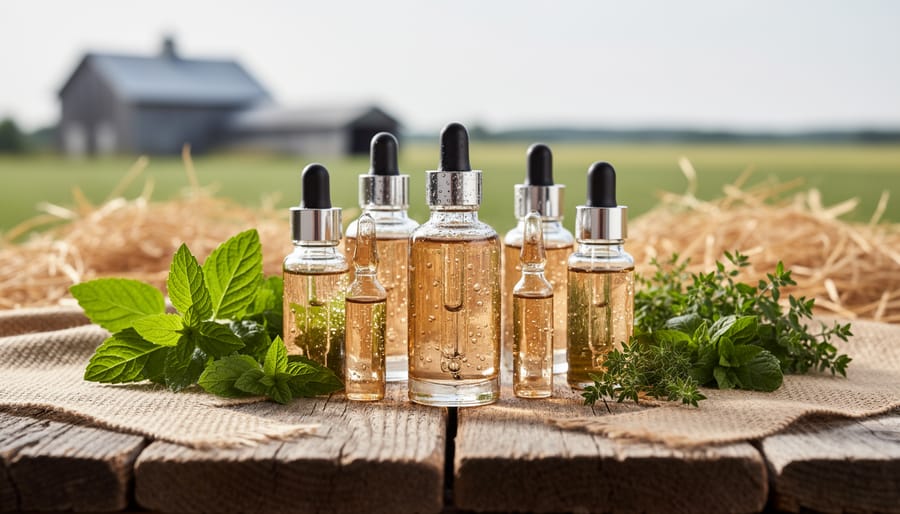
Walk into any beauty store in 2026 and you’ll spot the telltale signs: packaging adorned with wheat stalks and pastoral scenes, ingredient lists highlighting farm-derived extracts, and bold claims about sustainability plastered across every bottle. The farm stay and natural skincare movement has brought a wave of environmental promises, but sorting genuine commitment from clever marketing requires a closer look at what brands are actually saying.
The most common claim you’ll encounter is cruelty-free certification. Brands trumpet their refusal to test on animals, often displaying bunny logos and reassuring statements about ethical practices. But these declarations vary wildly in meaning. Some companies have verified their entire supply chain through third-party organizations, confirming that finished products, individual ingredients, and supplier raw materials undergo zero animal testing. Others simply mean they don’t personally conduct tests while remaining silent about their ingredient sources or whether they sell in markets requiring animal testing.
Organic and natural formulations represent another cornerstone of sustainability messaging. You’ll see terms like “organic,” “naturally derived,” and “farm-sourced” scattered throughout product descriptions, each carrying different weight. A truly organic certification involves rigorous third-party verification of farming practices, ingredient purity, and processing methods. The word “natural,” however, has no standardized definition in skincare.
Packaging choices have become a battleground for environmental credibility. Forward-thinking brands showcase their shift toward glass containers and recycled materials, explicitly minimizing plastic use. Others make vaguer promises about “eco-conscious” packaging while their products still arrive wrapped in multiple layers of virgin plastic.
Then there’s the charitable angle. Some companies dedicate portions of each sale to specific causes, offering measurable commitments like donating one dollar from every order toward supporting women, children, and environmental initiatives. Others mention vague corporate social responsibility without specifying where money goes or how much actually reaches recipients.
These claims set a high bar, but do the brands delivering farm stay favorites like snail mucin and collagen ampoules actually meet it?
Comparing Farm Stay Brands’ Eco Credentials: The Reality Check
Cruelty-Free Claims: Beyond the Label
When a brand slaps “cruelty-free” on its packaging, it’s making a promise that no animals were harmed to bring that product to market. But that label alone doesn’t tell the full story. Genuine cruelty-free status requires a commitment that extends far beyond the brand’s own testing labs, it encompasses every ingredient supplier, every contractor, and every market where the product is sold.
Verified cruelty-free standards, like those maintained by Cruelty-Free Kitty, demand comprehensive accountability. Brands must confirm that no animal testing occurs on finished products or ingredients during production by their company, their suppliers, or any third parties. This supplier chain transparency is where many brands stumble. A company might not test directly, but if their ingredient suppliers conduct animal tests or if they outsource production to facilities that do, the cruelty-free claim collapses.
The mainland China market presents another critical test of commitment. Until recent regulatory changes, China required animal testing on imported cosmetics, forcing brands to choose between market access and cruelty-free principles. Truly cruelty-free brands remain absent from mainland China retail or navigate the complex special import channels that avoid mandatory testing. If you see a brand claiming cruelty-free while actively selling through traditional mainland China distribution, that’s a red flag worth investigating.
Look beyond the bunny logo. Check whether the brand appears on verified databases, not just whether they’ve designed their own certification badge. Ask whether their entire supply chain, from raw material sourcing through manufacturing, maintains the same standards. Real transparency means a brand can answer specific questions about supplier practices, not just point to vague policy statements on their website.
Packaging Materials: Glass vs. Plastic Reality
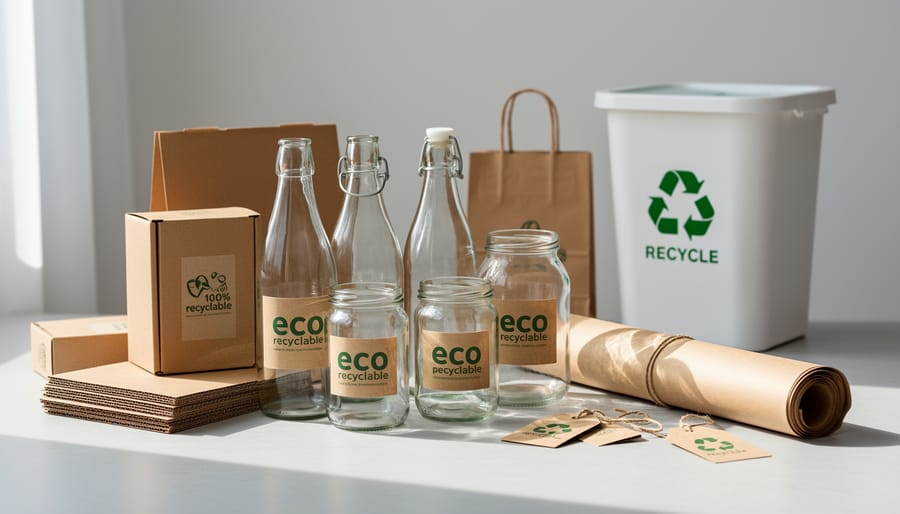
Packaging separates the genuine sustainability leaders from brands simply riding the natural beauty wave. When you pick up that elegant jar promising farm-fresh ingredients, the container itself tells you whether the company’s environmental commitment runs deeper than its marketing copy.
Glass packaging represents a meaningful ecological choice. INIKA Organic demonstrates this through containers that prioritize glass and recycled materials while actively minimizing plastic use. This matters because glass recycling beats plastic in creating a genuine closed-loop system. Glass can be endlessly recycled without quality degradation, whereas most cosmetic plastics end up in landfills despite recycling symbols on their labels.
The reality check comes when examining the full product line. Some brands feature one or two glass showcase products while wrapping everything else in conventional plastic. Others use opaque descriptions like “eco-conscious packaging” without specifying materials. Look for brands transparently stating their packaging composition across all products, not just hero items.
Weight presents glass’s honest trade-off. Heavier shipping increases transport emissions, which some companies offset through carbon programs while others ignore entirely. The most sustainable approach combines durable, refillable glass containers with local or consolidated shipping, reducing both packaging waste and transportation impact. Check whether brands offer refill programs that actually make their glass containers reusable rather than recyclable one-time purchases.
Social Impact: When $1 Actually Matters
Many skincare brands mention giving back, but translating charitable promises into real-world change requires specifics. LAMAV’s approach offers a concrete example: the brand commits $1 from every purchase to support women, children, education and the planet. That’s a measurable pledge tied directly to sales, not a vague percentage of unspecified profits.
The difference lies in transparency. When a brand states exactly how much they’re contributing and to which causes, you can calculate their impact. A brand selling 10,000 units monthly with a $1-per-order commitment contributes $120,000 annually, a figure you can verify against their reported sales. Vague claims like “a portion of proceeds supports environmental causes” offer no accountability. What portion? Which causes? How much actually reached them?
Look for brands that specify their charitable partners, publish impact reports, or share concrete outcomes. Numbers matter: “funded 50 education scholarships” tells you more than “supports education.” Geographic specificity helps too, knowing whether funds support local communities or international programmes gives context to how to measure social impact.
Some brands tie their social commitments to third-party verification or B Corp certification, which requires documented social and environmental performance. Others operate independently but publish annual reports detailing where money went and what changed. The key question: can you track the impact, or are you taking the brand’s word for it? Genuine social responsibility comes with receipts.

Organic and Natural Certifications: What’s Verified?
Organic certification in skincare isn’t a catch-all term, and the standards vary widely depending on the certifying body. Brands like INIKA Organic carry verified organic status, meaning third-party organizations have audited their ingredient sourcing, manufacturing processes, and formulation practices against strict benchmarks. These certifications typically require a minimum percentage of certified organic ingredients, often 95% or higher, and prohibit synthetic pesticides, GMOs, and certain chemical preservatives.
The confusion arises because “natural” has no regulated definition in beauty. A product can be labeled natural while containing mostly synthetic ingredients with a few plant extracts thrown in. Look for specific certification seals like USDA Organic, COSMOS, or NATRUE on packaging, not just the word “organic” in the brand name or marketing copy.
Before assuming a farm stay product is organic, check the ingredient list for certification symbols and research the certifying body’s standards. Many brands use farm or botanical imagery while formulating with conventional ingredients. If a brand genuinely holds organic certification, they’ll display the seal prominently and name the certifying organization, it’s a hard-won credential they’ve paid to earn and maintain.
Red Flags: When Farm Stay Isn’t Sustainable
Not every brand displaying botanical imagery or using agricultural terms in its name lives up to genuine sustainability standards. Learning to spot the warning signs protects both your values and your wallet.
Watch for language that sounds impressive but commits to nothing specific. Phrases like “eco-conscious formulation” or “nature-inspired philosophy” without supporting details are classic greenwashing signs. Legitimate sustainable brands provide concrete information about their practices, supply chains, and certifications rather than relying on aesthetic imagery alone.
The absence of third-party verification should raise immediate concerns. Companies genuinely committed to cruelty-free practices can point to confirmation from established databases like Cruelty-Free Kitty. Those truly using organic ingredients hold verifiable certifications. If a brand makes sustainability claims but provides no way to confirm them through independent sources, that’s a red flag worth heeding.
Packaging choices reveal priorities. A brand promoting natural values while shipping products in excessive plastic contradicts its messaging. Consider the microplastic impact of cosmetic packaging that ends up in landfills despite earth-toned marketing materials. Companies walking the sustainability talk invest in glass containers, recycled materials, and minimal packaging even when those choices cost more.
Contradictory business practices undermine environmental claims. Selling in markets that require animal testing while advertising cruelty-free credentials doesn’t add up. Neither does promoting water conservation while formulating products requiring extensive processing. Check whether a brand’s entire business model aligns with its stated values or if sustainability functions purely as a marketing angle.
Vague charitable commitments without measurable impact or transparency also warrant skepticism. Compare specific models where every purchase supports documented causes against brands making general statements about giving back without details. Your purchasing power deserves to support companies demonstrating real accountability, not just appealing marketing narratives.
How to Verify Eco Claims Before You Buy
Start by checking independent certification databases before trusting brand websites. Cruelty-Free Kitty maintains a verified list of brands that meet strict standards, no animal testing on finished products or ingredients, no suppliers that test on animals, and no sales in mainland China where animal testing remains mandatory. Cross-reference any cruelty-free claims against this database rather than accepting a bunny logo at face value.
- Search the brand on Cruelty-Free Kitty or similar certification databases to verify their cruelty-free status independently.
- Read the ingredient list from top to bottom, looking for non-toxic ingredients and avoiding synthetic fragrances, parabens, and petroleum derivatives.
- Check for third-party organic certifications like USDA Organic, COSMOS, or Ecocert rather than vague “natural” claims.
- Investigate packaging materials by examining product photos and brand descriptions, glass containers and recycled materials signal genuine commitment.
- Look for specific transparency about social impact, such as documented charitable contributions or supply chain practices.
Contact brands directly with specific questions if information isn’t readily available on their website. Companies genuinely committed to sustainability will respond with detailed answers about their practices, not marketing speak. Ask about their suppliers’ testing policies, packaging material sources, and how they verify organic ingredients.
Compare prices across verified sustainable brands to save money while maintaining your values. Authentic eco-conscious products don’t always cost more, sometimes you’re paying a premium for greenwashing rather than genuine sustainability. Building this verification habit takes minutes but ensures your purchases actually support the practices you care about, turning you from a passive consumer into an informed advocate for real change in the beauty industry.
Your beauty routine doesn’t have to compromise your values. The farm stay skincare trend offers genuinely sustainable options, but only if you’re willing to look past the pretty packaging and dig into what brands actually do. The difference between marketing fluff and real environmental commitment comes down to verification, third-party certifications, transparent supply chains, measurable social impact, and packaging choices that match the promises.
You now have the tools to spot the difference. Check certification databases before clicking “buy.” Read ingredient lists, not just front labels. Demand specifics about packaging materials and charitable programs. When a brand makes you work to find this information, that’s often your answer.
Support the companies putting their money where their marketing is, the ones using glass instead of plastic, paying into verified giving programs, refusing to compromise on cruelty-free standards even when it costs them market access. These brands exist, and they deserve your business.
But don’t stop there. Call out the greenwashers. Leave reviews. Ask questions publicly on social media. Tag brands demanding transparency. The beauty industry responds to consumer pressure, and your voice matters more than you think. Sustainable beauty isn’t a trend, it’s a standard we create together by refusing to settle for anything less than verified action.