Examples of Greenwashing: How Brands Mislead Eco-Conscious Shoppers
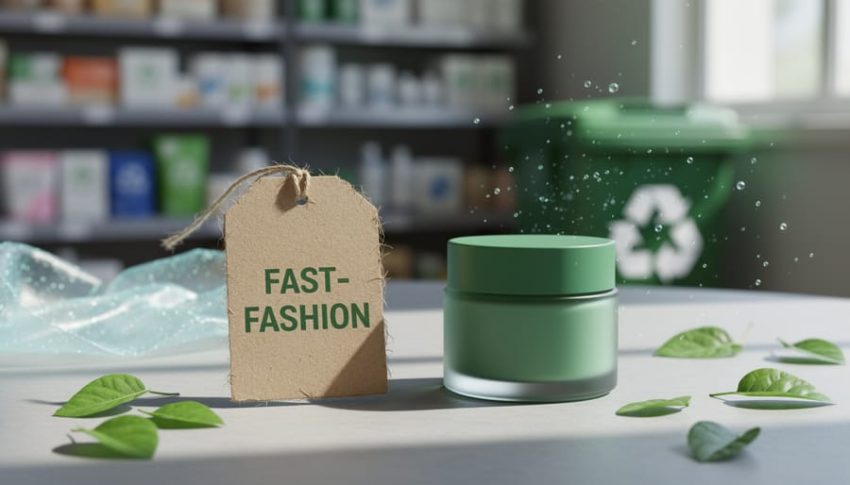
Greenwashing examples surround us every day, from fashion brands boasting “eco-collections” made almost entirely of polyester to beauty companies slapping leaves on packaging while changing nothing about their formulas. These deceptive marketing tactics work because they exploit our genuine desire to make better choices for the planet, the same motivation that drives people toward sustainable diets and ethical shopping habits.
The problem isn’t that you’ve been fooled. The problem is that companies have become incredibly sophisticated at appearing green without actually changing their practices. They know exactly which buzzwords trigger our environmental concerns and which imagery makes us feel good about a purchase. A clothing brand might highlight its “recycled packaging” while ignoring that its garments shed thousands of microplastic fibers with every wash. A skincare company might tout “natural ingredients” while sourcing palm oil linked to deforestation.
Understanding real greenwashing examples helps you see through the marketing smoke screen. When you recognize the patterns, whether it’s vague language like “earth-friendly” without certification, irrelevant claims that distract from larger issues, or outright false labels, you gain the power to vote with your wallet more effectively. This isn’t about perfection or shaming anyone for past purchases. It’s about building the knowledge to spot manipulation and redirect your support toward brands doing genuine environmental work, creating real change through everyday decisions.
The Vague Language Trap
Walk into any store or scroll through any website, and you’ll see products screaming “eco-friendly,” “natural,” or “sustainable” from their labels. These feel-good words are everywhere in fashion and beauty marketing, plastered across packaging in earthy fonts with leaf graphics. But here’s the problem: most of these terms mean absolutely nothing.
The vague language trap is greenwashing at its most insidious. Brands slap on ambiguous environmental buzzwords without defining them, testing them, or proving them. There’s no legal standard for what makes a lipstick “natural” or a T-shirt “eco-friendly.” Without third-party certification backing these claims, they’re just marketing fluff designed to make you feel good at checkout.
Fashion brands frequently market entire collections as “sustainable” without explaining what that means. Is it the fabric? The dye process? The factory conditions? A major fast-fashion retailer launched a “Conscious Collection” that sounded environmentally responsible but contained items made from conventional polyester, a petroleum-based fabric that sheds microplastics with every wash. The “conscious” part? A tiny percentage of recycled plastic bottles mixed in, allowing the brand to slap a green label on essentially the same harmful product.
Beauty companies love the word “natural.” You’ll find it on everything from shampoos to serums, often next to images of botanicals and waterfalls. One popular skincare brand marketed its moisturizer as “all-natural” despite containing synthetic preservatives and fragrances. Legally, they got away with it because “natural” has no regulated definition in cosmetics. The company could choose their own interpretation, and consumers had no way to verify the claim.
“Green” is another meaningless favorite. A makeup brand launched a “Green Beauty” line that turned out to use the same formulations as their regular products, just repackaged in recyclable containers. The products themselves hadn’t changed, only the marketing had.
These vague terms work because they trigger an emotional response. We want to believe we’re making better choices. But without transparency, specifics, and legitimate certifications, these words are just greenwashing in disguise.
The Hidden Trade-Off
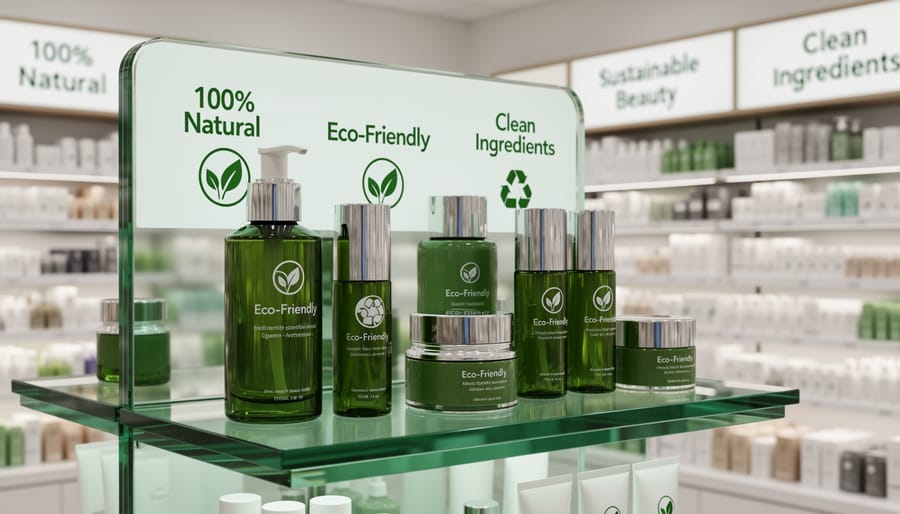
Some of the most deceptive greenwashing examples come from brands that spotlight one small sustainable feature while concealing significant environmental damage happening behind the scenes. This tactic works because it gives shoppers the good feeling of making an eco-friendly choice without requiring brands to fundamentally change their harmful practices.
Fashion brands frequently use this strategy with packaging. A clothing company might proudly announce their switch to recycled paper hangtags and compostable mailers, filling their marketing with images of kraft paper and earthy tones. Meanwhile, that same brand continues using synthetic dyes containing heavy metals that contaminate waterways, or relies on energy-intensive polyester production that releases microplastics with every wash. The recycled packaging becomes a distraction, a small green gesture that costs little but generates substantial positive PR while the core product remains environmentally destructive.
Beauty companies deploy similar misdirection with ingredient sourcing. A skincare brand markets itself as “organic” because it uses certified organic shea butter or aloe vera in its formulas. The packaging features lush botanical imagery and emphasizes these natural ingredients prominently. What they don’t highlight is that these organic components are shipped from distant continents, racking up massive carbon emissions through air freight. Or that the product contains primarily water and petroleum-derived preservatives, with the organic ingredient making up less than 2% of the formula. The organic claim becomes technically true but fundamentally misleading about the product’s overall environmental impact.
The water-saving claim offers another common example. A denim brand might advertise water-efficient manufacturing techniques, genuinely reducing water usage during production by 20%. That sounds impressive until you discover their factories still dump untreated wastewater containing toxic chemicals directly into local rivers, or that they’re producing cheap jeans designed to fall apart within months, encouraging constant replacement and waste.
These hidden trade-off examples succeed because they exploit our desire for simple solutions. We want to believe that choosing the product with recycled packaging makes a real difference. Brands count on shoppers not asking the harder questions about what happens beyond that one highlighted feature. The more enthusiastically a brand emphasizes a single green attribute, the more important it becomes to examine what they’re not discussing.
False Certifications and Misleading Labels

Walking through a store or scrolling online, you’ve probably seen products adorned with official-looking badges featuring leaves, recycling symbols, or earth-friendly colors. Many shoppers assume these stamps mean third-party verification, but that’s exactly what some brands are counting on. Creating their own eco-labels without independent certification is one of the sneakiest greenwashing tactics out there.
Fashion and beauty brands have mastered the art of designing logos that look legitimate at first glance. A clothing company might plaster its hangtags with a circular green badge reading “Certified Sustainable” when no external organization has verified that claim. Similarly, skincare brands create official-sounding seals like “Pure Earth Approved” or “Nature’s Choice Certified” that exist nowhere beyond their own marketing department. The visual language mimics real certifications so closely that consumers rarely question their validity.
| Legitimate Certification | What It Verifies | Fake/Meaningless Badge Example |
|---|---|---|
| GOTS (Global Organic Textile Standard) | Organic fiber content, safe working conditions, chemical restrictions | “Organic Textiles” (brand’s own unverified claim) |
| Leaping Bunny | No animal testing throughout supply chain | “Cruelty-Free Certified” (self-created logo) |
| Fair Trade Certified | Fair wages, safe conditions, community development | “Ethically Made” (vague badge with no verification) |
| EWG Verified | Free from harmful chemicals, full ingredient transparency | “Pure & Safe” (company-designed seal) |
The pattern extends to imagery choices too. Some brands fill their packaging with forest scenes, water droplets, and earthy tones while their production practices remain unchanged. A cosmetics company might redesign its bottle to feature recycling arrows and botanical illustrations, creating an eco-conscious impression without actual environmental improvements. Meanwhile, truly sustainable brands pursuing ethical fashion invest in transparent supply chains and legitimate third-party audits.
One fashion retailer launched a “Green Collection” with hangtags displaying a leaf logo and the phrase “Eco-Conscious Choice.” Nowhere on the label did it explain what made these items different from the brand’s regular line. Shoppers discovered later that the only “green” element was packaging made from recycled cardboard, while the garments themselves contained conventional cotton grown with pesticides and synthetic dyes.
Beauty brands have created entire product ranges around nature-inspired names and woodland packaging without changing formulations. When pressed, these companies admit their eco-labels represent internal standards rather than external verification. That distinction means everything, yet the packaging deliberately obscures it.
The solution? Get familiar with real certifications, search for them by name online, and verify claims through official registries. If a badge looks too good to be true and you can’t find information about the certifying body, trust your instincts.
The Irrelevant Claim

You’ve probably seen beauty products proudly declaring they’re “CFC-free” or fashion labels announcing “no harmful lead” in their materials. Sounds responsible, right? Here’s the catch: CFCs (chlorofluorocarbons) have been banned worldwide since the 1990s under the Montreal Protocol. No cosmetic company can legally use them anyway. When brands trumpet compliance with existing laws as if it’s an environmental achievement, they’re banking on you not knowing these protections are already mandatory.
This greenwashing tactic works because it creates an illusion of choice and care. A hairspray bottle stamped with “CFC-free” suggests the brand went above and beyond, when really they’re just following decades-old regulations that every competitor also follows. It’s like a restaurant boasting “rat-free kitchen” as a selling point.
The fashion industry pulls similar moves. You’ll find clothing tags announcing “lead-free dyes” or “complies with REACH standards” (the European chemical safety regulation). While lead in consumer textiles has been restricted or banned in most markets for years, brands present this basic legal compliance as proof of environmental leadership. One major fast fashion retailer recently marketed a children’s line as “free from harmful substances” while simply meeting the minimum safety standards required by law in their selling regions.
Beauty brands frequently advertise products as “paraben-free” or “phthalate-free” in countries where these ingredients are already restricted or where consumer pressure has made them industry-standard exclusions anyway. The label implies pioneering environmental responsibility when it’s really just keeping pace with regulatory requirements or market norms.
These irrelevant claims distract you from asking the questions that actually matter: What is the brand doing beyond legal minimums? Where do their ingredients come from? How are workers treated in their supply chain? When you see a brand celebrating compliance with the law, recognize it for what it is, a marketing tactic designed to earn your trust without earning it through genuine environmental action.
The Lesser of Two Evils
Some of the most frustrating greenwashing examples come from brands positioning themselves as environmental leaders while their core business models remain fundamentally unsustainable. These companies bank on consumers feeling better about purchasing from the “lesser evil,” when the reality is they’re still choosing harm, just slightly different harm.
Fast fashion giants have mastered this tactic. H&M’s “Conscious Collection” prominently features garments made with organic cotton or recycled polyester, marketed with green tags and earthy-toned hangtags. Yet this limited line represents a tiny fraction of their overall production, which still churns out trendy, disposable clothing at breakneck speed. The environmental damage from their business model, massive water consumption, textile waste in landfills, exploitative labor practices, vastly outweighs any benefit from that small sustainable range. They’re asking you to feel good about one dress made from recycled materials while ignoring the forty other items you bought this season that will be discarded within months.
Zara followed suit with “Join Life,” labeling certain pieces as meeting higher environmental standards. But these capsule collections don’t change the company’s fundamental approach: encouraging constant consumption through rapidly changing trends. Marketing a sustainable wardrobe while simultaneously pushing weekly new arrivals creates a contradiction customers are meant to overlook.
The beauty industry mirrors this pattern. A major cosmetics corporation might launch a “clean beauty” sub-brand with plant-based ingredients and recyclable packaging, while their parent company continues producing conventional products filled with synthetic chemicals and microplastics. L’Oréal’s acquisition of sustainable brands like Seed Phytonutrients allowed them to enter the eco-conscious market without reformulating their legacy products. Estée Lauder similarly markets Aveda as their environmental hero, yet the rest of their massive portfolio maintains standard industry practices.
These examples aren’t about brands making incremental progress, they’re about companies creating green halos around tiny portions of their business to distract from the unchanged, harmful majority. They want credit for the exception while you ignore the rule.
How to Spot Greenwashing in Your Favorite Brands

You’ve seen the examples, now let’s turn that awareness into action. Spotting greenwashing isn’t about memorizing every tactic or becoming a certification expert overnight. It’s about asking smarter questions and knowing where to look for answers before you buy.
Start by slowing down when a product catches your eye with green claims. Ask yourself: what exactly is this brand promising? If the language feels vague (“eco-conscious,” “kind to the planet”), that’s your first red flag. Legitimate sustainable brands provide specific details about materials, production methods, and measurable impact.
Here’s a practical process to verify claims before purchasing:
- Look for third-party certifications like GOTS, Fair Trade, B Corp, or Leaping Bunny on the product or brand website. These organizations conduct independent verification, unlike self-created badges.
- Check the brand’s sustainability page or impact report. Does it include specific data about carbon footprint, water usage, or worker conditions? Or does it just feature pretty photos of leaves and oceans?
- Search for the brand name plus “greenwashing” or “sustainability review” to see if independent journalists or watchdog organizations have investigated their claims.
- Examine the percentage of sustainable materials used. A dress labeled “recycled” might contain only five percent recycled fibers while the rest is virgin polyester.
- Investigate the company’s overall practices. A single “green” product line doesn’t offset a business model built on overproduction and waste.
Resources make this detective work easier. Good On You rates fashion brands on labor, environment, and animal welfare. The Environmental Working Group’s Skin Deep database scores beauty products on ingredient safety. These tools help you cut through claims with research-backed information.
Watch for emotional manipulation through imagery. Brands often use green packaging, nature scenes, or earthy colors to suggest environmental responsibility without providing actual proof of sustainability. Beautiful marketing doesn’t equal authentic impact.
Trust your instincts. If something feels too good to be true, like “completely sustainable” fast fashion at rock-bottom prices, it probably is. Real sustainability involves investment in better materials, fair wages, and responsible production. That transparency shows up in both pricing and communication.
Now that you can spot these examples of greenwashing tactics, you hold real power. Every purchase becomes a vote for the kind of world you want to live in. Don’t let vague claims or pretty packaging fool you anymore.
Start asking brands the hard questions. Where are your materials sourced? Who made this? What certifications back up these claims? Companies respond when consumers demand proof instead of promises.
Support businesses doing the genuine work, even if their products cost a bit more or aren’t perfectly packaged. Your wallet speaks louder than any petition.
Share what you’ve learned. When friends mention a brand’s green credentials, gently point them toward verification tools. Post about misleading claims you’ve caught. Building a community of informed shoppers creates the pressure that forces real change. Together, we can make greenwashing so unprofitable that transparency becomes the only option.