What Is Greenwashing? Common Terms That Mislead Eco-Conscious Shoppers

Greenwashing terms are the deliberately vague, misleading, or unsubstantiated environmental claims that brands use to make products appear more sustainable than they actually are. Words like “eco-friendly,” “natural,” “conscious,” and “green” sound appealing on a label, but without specific certifications or transparent data to back them up, they’re often just marketing smoke and mirrors designed to capture your wallet while sidestepping accountability.
If you’ve ever stood in a store aisle, comparing two nearly identical products and choosing the one with the leafy logo because it felt like the right thing to do, you’re exactly who greenwashing targets. These terms exploit your values, turning genuine concern for the planet into a profitable illusion. The problem isn’t just that you might waste money on a product that doesn’t deliver on its promises. It’s that widespread greenwashing undermines real progress, allowing companies to profit from appearing sustainable without making meaningful changes to their supply chains, ingredient sourcing, or waste reduction practices.
Understanding greenwashing vocabulary is your first line of defense as a conscious consumer in 2026. This article breaks down the specific language tricks brands use, from the psychology behind why certain words bypass our critical thinking to the categories of misleading claims you’ll encounter most often in fashion, beauty, and wellness aisles. You’ll learn to spot red flags instantly, ask the right questions before purchasing, and support brands that back their environmental promises with verifiable action. The goal isn’t cynicism but clarity, empowering you to shop in alignment with your values without falling for clever wordplay.
What Greenwashing Terms Really Mean

Greenwashing terms are the carefully chosen words and phrases brands sprinkle across product labels, websites, and advertisements to suggest environmental friendliness without backing it up with meaningful action. You’ll spot them everywhere, on clothing hangtags promising “conscious design,” beauty serums touting “clean ingredients,” and wellness products labeled “earth-friendly”, often in soothing green packaging with leaf imagery. These terms sound reassuring and tap into your desire to make responsible choices, but they rarely come with specific details about what they actually mean.
The challenge is that most greenwashing vocabulary lacks standardized definitions or industry-wide regulations. When a fashion brand calls a collection “sustainable” or a skincare company markets a product as “natural,” there’s no legal requirement to prove these claims or define the standards being used. Unlike certified organic food or Fair Trade coffee, which must meet specific verified criteria, the environmental marketing language in fashion, beauty, and wellness operates largely unchecked.
These terms work because they’re designed to feel good rather than inform. Words like “eco-conscious,” “planet-friendly,” and “green” trigger positive associations without requiring brands to disclose their supply chain practices, material sourcing, or environmental impact data. A dress might be labeled “made with sustainable materials” without revealing whether that means 5% or 95% of the fabric meets any particular standard. A moisturizer could claim to be “clean” based on the brand’s own undefined criteria rather than third-party testing.
What makes these terms particularly misleading is their placement alongside genuine environmental concerns. They appear in the same visual space where you might expect to find legitimate certifications like GOTS (Global Organic Textile Standard) or Leaping Bunny, borrowing credibility by association. The result is a marketing landscape where distinguishing authentic commitment from clever wordplay requires detective work most shoppers don’t have time to do while standing in a store aisle or scrolling through an online shop.
How Greenwashing Language Works
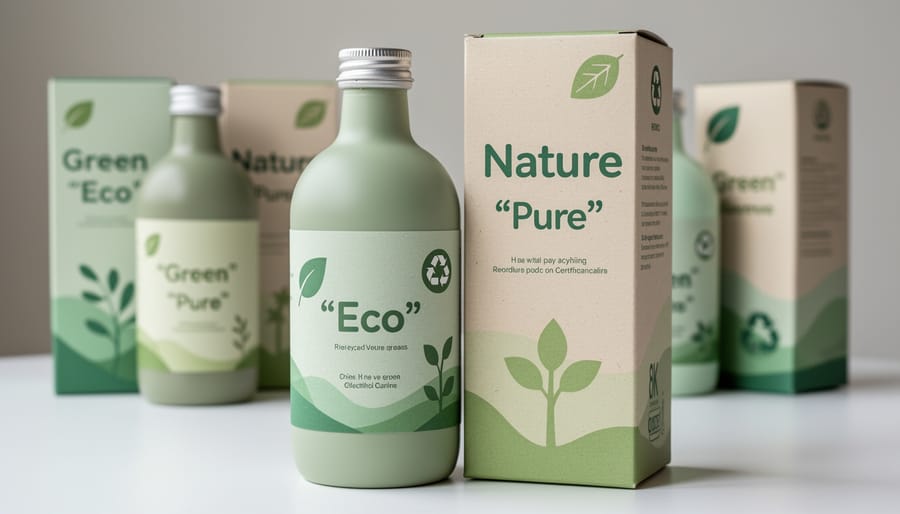
Greenwashing terms work by tapping into our emotions first and our logic second. When you see words like “natural” or “eco-friendly” on a product label, your brain responds to the feeling those words create, images of forests, clean water, a healthier planet, before you have a chance to ask what they actually mean. This emotional shortcut is exactly what brands count on. The language triggers positive associations with environmental responsibility while keeping the claims so vague that they can’t be challenged or measured.
The strategy is surprisingly simple: use words that sound environmental without making specific promises. A brand can say their product is “green” without defining what that means, who verified it, or how it compares to alternatives. There’s no legal definition for most of these terms, so companies face little risk when using them. Meanwhile, shoppers who genuinely want to make sustainable choices see these familiar words and assume they signal better practices. The purchase feels good, you think you’re voting with your wallet for the kind of world you want, but the actual environmental impact might be no different than buying a conventional product.
This approach particularly exploits the complexity of sustainability itself. Most of us don’t have time to research supply chains, carbon footprints, or material lifecycles while standing in a store aisle. We’re looking for shortcuts, for trusted signals that help us make quick decisions aligned with our values. Greenwashing terms offer that shortcut, except it leads nowhere. They provide the emotional satisfaction of ethical shopping without requiring the brand to change anything meaningful about how they operate.
Marketing teams understand this psychology deeply. They know these tactics work because they bypass the questions that would expose weak claims:
– Using vague, undefined language that sounds positive
– Pairing products with nature imagery and earth tones
– Highlighting one small positive attribute while hiding larger impacts
– Making claims without providing evidence or third-party verification
– Creating official-looking labels and seals with no actual certification
– Emphasizing irrelevant environmental benefits that distract from real concerns
The absence of specific, measurable information isn’t an oversight. It’s the whole point. A brand that says “made with sustainable materials” avoids stating what percentage of materials are sustainable, which materials qualify, or what standards they meet. The phrase creates an impression of responsibility while remaining legally safe from regulation. If pressed, the company can point to literally any sustainable material in the product, no matter how minimal, and claim the statement is true.
Common Categories of Greenwashing Terms
Vague Environmental Claims
Walk through the personal care aisle of any store in 2026, and you’ll see bottles covered in words like “eco-friendly,” “natural,” and “green.” These terms feel reassuring, they suggest you’re making an environmentally responsible choice without demanding you understand complex supply chains or certifications. That’s precisely why they’re marketing gold for brands that want sustainability credit without substantive change.
These vague environmental claims work because they trigger positive associations without making verifiable promises. “Natural” sounds healthier than synthetic, “clean” implies purity, and “earth-conscious” suggests the company cares. But none of these words have legal definitions or industry-wide standards. A brand can slap “eco-friendly” on a product regardless of its actual environmental impact, from resource extraction through manufacturing to disposal.
Here’s what you’re actually seeing when you encounter these terms:
- Eco-friendly
- Suggests environmental benefit but doesn’t specify which aspect, carbon footprint, water use, biodegradability, or something else. Look for specific claims like “100% compostable in industrial facilities within 90 days” instead.
- Natural
- Implies ingredients come from nature, but arsenic and petroleum are natural too. Ask what percentage of ingredients are plant-derived and whether they’re sustainably sourced.
- Green
- A catch-all term with zero regulatory meaning across industries. Seek concrete information about renewable energy use, recycled content percentages, or third-party environmental certifications.
- Clean
- Popular in beauty marketing, suggesting free from “bad” ingredients without defining what those are. Check for specific exclusion lists and whether formulations meet recognized clean beauty standards.
- Earth-conscious
- Sounds thoughtful but reveals nothing about actual practices. Look for transparency reports, B Corp certification, or membership in organizations like 1% for the Planet.
When you’re researching sustainable skincare brands or any product category, swap vague terms for specific questions: What’s the packaging made from and where does it go after use? What percentage of ingredients are organic or Fair Trade? Which independent organization verified these claims? Brands doing genuine environmental work will answer these questions readily, often publishing detailed impact reports. Companies relying on fuzzy language typically can’t, or won’t, provide those specifics.
Misleading Material and Process Terms
Terms like “sustainable,” “conscious,” “responsible,” “ethical,” and “eco-conscious” sound impressive on clothing tags and beauty packaging, but they’re essentially empty without specifics. These words appeal to your values while revealing nothing about actual practices. A brand can call a product “sustainable” without disclosing whether that refers to materials, production methods, worker conditions, or something else entirely.
Fashion retailers have embraced “conscious collections” and “responsible fashion” lines that segregate supposedly better products from their main offerings. This framing suggests improvement, but rarely explains what makes these items different or why the rest of the collection doesn’t meet the same standards. You’ll see these dedicated sections at major retailers, yet the criteria for inclusion remain vague or entirely undisclosed.
“Clean beauty” has become equally problematic in the cosmetics industry. The term lacks any regulated definition, so brands apply it freely to suggest purity and safety. One company’s “clean” might mean no parabens, while another’s excludes synthetic fragrances, and a third simply uses it for marketing appeal. Without standards, the word means whatever the brand wants it to mean.
When you encounter these process-focused terms, they should trigger questions, not confidence. What specific practices make this sustainable? Conscious of what, exactly? Responsible to whom? Ethical by whose standards? Learning to spot greenwashing in fashion starts with recognizing that genuine sustainability requires transparency, not aspirational adjectives. Look for brands that answer these questions proactively with concrete information about materials, certifications, and measurable impacts.
Partial Truth and Hidden Trade-Off Terms
These terms are particularly sneaky because they tell the truth, just not the whole truth. A beauty brand might proudly stamp “made with recycled materials” on packaging that contains only 2% recycled content, while the other 98% is virgin plastic. The claim isn’t technically false, but it creates a misleading impression of comprehensive sustainability.
“Cruelty-free” illustrates this problem perfectly in the beauty industry. While it means a product wasn’t tested on animals (genuinely positive), it says nothing about environmental impact, worker exploitation, or ingredient sustainability. That cruelty-free mascara might contain palm oil linked to rainforest destruction or microplastics that harm marine life. The term directs your attention to one ethical dimension while leaving others unexamined.
“Biodegradable” sounds like an environmental win until you ask the crucial questions: under what conditions and how long? Many items labeled biodegradable only break down in industrial composting facilities at high temperatures, not in landfills or home compost bins where most end up. A “biodegradable” garment might require specific microbial conditions that don’t exist in typical disposal scenarios, meaning it persists just like conventional materials.
The scientifically impossible “chemical-free” deserves special mention. Water is a chemical. Everything is made of chemicals. This term exploits fear of synthetic ingredients while being literally meaningless, often appearing on products containing plenty of chemicals, just ones marketed as natural.
Watch for percentage disclosures, specific conditions, and comprehensive impact information. When a brand highlights one virtue, ask what they’re not telling you about the rest.
False Certification and Authority Language
Walk through any beauty aisle or scroll any fashion website, and you’ll spot official-looking badges and stamps promising “certified sustainable” or “eco-approved.” Here’s the uncomfortable truth: many of these seals are completely invented by the brand itself. No independent organization verified anything. No auditor checked the supply chain. The company simply created a logo, slapped it on packaging, and counted on shoppers assuming legitimacy.
This tactic works because we trust certification language. When we see words like “verified,” “approved,” or “certified” paired with green imagery, our brains register authority and credibility. We assume someone checked the facts. But unless a specific, third-party organization stands behind that claim, it’s just marketing theater.
The difference between real and fake is transparency. Legitimate certifications come from independent organizations with public standards. GOTS (Global Organic Textile Standard) requires strict organic fiber content and ethical production. Fair Trade certification involves independent audits of labor conditions and fair wages. B Corp status means a company passed rigorous assessments of social and environmental performance. These organizations publish their criteria, conduct audits, and list certified companies on their websites.
When you spot certification language, look for specifics. Who certified this? Can you find that organization’s website and verify the claim? Real certifications aren’t shy, brands proudly name-drop GOTS, OEKO-TEX, Leaping Bunny, or Certified Organic. Vague “eco-certified” or generic green badges without attribution? Red flags waving.
Aspirational and Future-Promise Terms
These words sound encouraging, but they promise action later while doing little now. Phrases like “committed to sustainability,” “on a journey,” or “carbon neutral by 2050” let brands claim environmental values without demonstrating current impact. Without transparent timelines, measurable goals, and regular progress reports, these statements remain aspirational marketing rather than accountable change. Ask what they’re doing today, not what they’ll do decades from now.
How to Use Greenwashing Awareness in Your Shopping

Turning awareness into action starts at the moment you’re about to make a purchase. When you spot appealing environmental language on a product label or brand website, pause before adding it to your cart. Ask yourself: does this claim tell me anything specific, or could it mean almost anything?
Start by looking for concrete details behind the marketing language. If a brand says their product is “sustainable” or “eco-friendly,” check whether they explain what makes it so. Legitimate companies provide specifics, like “made from 100% GOTS-certified organic cotton” or “packaged in FSC-certified recycled cardboard.” Vague terms without supporting information deserve skepticism, not your money.
Develop a quick verification habit using your phone while you shop. When you see a certification logo, search for it online to confirm it’s real and meaningful. Organizations like Good On You rate fashion brands on environmental and ethical practices, while Think Dirty and EWG’s Skin Deep databases help decode beauty product ingredients and verify claims. These tools take seconds to use and reveal whether those impressive-sounding terms on the packaging hold up under scrutiny.
Get comfortable asking brands direct questions, especially smaller companies where you can reach actual humans. Send a quick message asking what percentage of their “recycled materials” claim represents, or what specific standards their “ethical production” follows. Transparent brands welcome these questions and answer them readily with details about their supply chain, certifications, and environmental impact measurements. Companies relying on greenwashing language often respond with more vague marketing speak or ignore the question entirely.
Learn to recognize legitimate third-party certifications that verify environmental claims through independent auditing. For fashion, look for GOTS (Global Organic Textile Standard), Fair Trade Certified, or Bluesign. Beauty products carrying Leaping Bunny (cruelty-free), EWG Verified, or USDA Organic have met specific standards. B Corp certification indicates a company’s overall commitment to social and environmental performance. These certifications cost brands time and money to earn, which is why greenwashers prefer inventing their own meaningless badges instead.
Remember that the absence of environmental marketing can actually be a green flag. Many genuinely sustainable small businesses focus their resources on ethical production rather than polished marketing campaigns. A simple, honest product description often signals more integrity than elaborate claims designed to trigger your eco-conscious emotions without backing them up with substance.
Real Stories: Spotting Greenwashing in Action
Jessica, a marketing professional from Portland, remembers the moment she realized her favorite “eco-conscious” clothing brand wasn’t what it claimed to be. “I’d been buying from them for two years because their website was covered in leaves and earth tones, and every product description included words like ‘sustainable’ and ‘earth-friendly,'” she explains. “Then I started asking questions, what certifications do you have? What percentage of recycled content? How are workers paid?” The brand never responded to her emails, and she couldn’t find any third-party verification anywhere. “I felt foolish at first, but then I realized the whole point of greenwashing is to make us stop asking questions. Now I know that real sustainability answers questions, it doesn’t hide from them.”
Small business owner Maria Torres decided to launch her natural skincare line specifically because she was tired of seeing misleading claims in the beauty industry. “I’d see products labeled ‘clean’ and ‘pure’ that still contained synthetic fragrances and questionable preservatives,” she says. “As a formulator, I knew these terms meant nothing legally.” Maria deliberately avoids vague environmental language on her packaging, instead listing specific certifications like USDA Organic and providing full ingredient transparency. “It costs more to get certified and it takes longer to explain our practices, but our customers appreciate the honesty. They’ve seen enough examples of greenwashing to value brands that actually prove their claims.”
Community educator David Chen teaches workshops on conscious consumerism and shares a common experience among participants. “People bring in their favorite products, athletic wear labeled ‘eco-performance,’ beauty items marked ‘naturally derived,’ wellness products claiming ‘sustainable packaging,'” he notes. “We look up each term together, and usually find either no standards behind the language or that only a tiny fraction of the product actually meets any environmental criteria.” Rather than leaving people discouraged, David focuses on teaching them what meaningful certifications look like and how to find transparent brands. “Once you recognize the pattern, you can’t unsee it. That’s empowering.”
Questions About Greenwashing Terms
What’s the difference between greenwashing and genuine sustainability claims?
Genuine sustainability claims are specific, measurable, and backed by third-party certifications or transparent data you can verify. Greenwashing relies on vague language, emotional appeals, and unverifiable promises that sound good but lack substance or accountability.
Are all environmental terms automatically greenwashing?
Not necessarily, context matters. Words like “organic” with USDA certification or “Fair Trade” with legitimate verification aren’t greenwashing. The problem arises when brands use environmental language without definitions, standards, or proof to back it up.
How can I tell if a certification is legitimate?
Research the certifying organization independently, legitimate certifications have clear standards published online, require third-party audits, and maintain public databases of certified companies. Be wary of vague seals that don’t link to a verifiable certifying body or made-up badges that exist only on one brand’s packaging.
What should I do if I’ve already bought from a greenwashing brand?
Don’t beat yourself up, recognizing greenwashing is a learning process. Use what you’ve bought until it wears out rather than tossing it, then redirect future purchases toward brands with transparent practices. You can also contact the company to ask specific questions about their sustainability claims, which signals consumer demand for accountability.
Where can I find truly sustainable alternatives?
Start by researching brands that hold recognized certifications for ethical fashion standards or publish detailed sustainability reports with measurable goals and progress. Look for companies founded on transparency principles, check databases from organizations like Good On You or B Corp, and connect with local makers who can speak directly about their materials and processes.
Beyond these specific questions, the path to spotting greenwashing gets easier with practice. When you encounter environmental claims that trigger your skepticism, trust that instinct and dig deeper. Check the brand’s website for an actual sustainability page with data, not just marketing copy. Search for independent reviews from environmental organizations or journalists who’ve investigated the company’s practices.
You’ll also find that principles from one area of conscious living often transfer to others, the same critical eye you develop for fashion greenwashing helps you evaluate beauty products, home goods, and even kitchen sustainability claims. The questions remain consistent: What specifically does this mean? Who verified it? Can I trace the supply chain? What’s the full environmental picture, not just one highlighted benefit?
Remember that asking questions doesn’t make you difficult or overly skeptical. It makes you an informed consumer whose purchasing power supports genuine change rather than clever marketing. Brands committed to real sustainability welcome these questions because transparency is part of their mission. Companies that respond defensively or with more vague reassurances often reveal themselves in the process.
Understanding greenwashing terms isn’t about achieving perfection in every purchase. It’s about building awareness that helps you ask better questions and make more informed decisions. When you recognize vague language, demand specifics, or pause before believing an environmental claim, you’re exercising the kind of critical thinking that drives real change in how brands communicate.
Every time you question a “natural” label, research a sustainability claim, or choose transparency over marketing fluff, you send a signal. Brands notice when consumers refuse to accept empty promises. The companies genuinely committed to environmental responsibility welcome scrutiny because they have nothing to hide. They provide certifications, share supply chain details, and admit where they still have work to do.
Your journey toward conscious consumption will involve learning moments and occasional mistakes. You might buy something that turns out to be greenwashed, or feel overwhelmed by conflicting information. That’s normal. What matters is the direction you’re moving and the questions you’re willing to ask.
The movement toward authentic sustainability grows stronger when more people understand how marketing language works. Share what you’ve learned with friends. Support brands practicing real transparency. Celebrate small businesses doing the hard work of genuine environmental responsibility. Together, we’re creating a marketplace where honest communication becomes the standard and greenwashing becomes too costly to continue.