BPC-157 Peptide Sequence: The 15-Amino Acid Chain Behind the Healing Compound

Kylo Peptides BPC-157 is a synthetic peptide made up of 15 amino acids arranged in a specific sequence: Gly-Glu-Pro-Pro-Pro-Gly-Lys-Pro-Ala-Asp-Asp-Ala-Gly-Leu-Val. This sequence is derived from a protective protein naturally found in human gastric juice, though the peptide itself is created in laboratories rather than extracted from biological sources.
Understanding this sequence matters because it determines how the compound interacts with your body’s cells and tissues. Each amino acid plays a role in the peptide’s stability and biological activity, which is why researchers and wellness practitioners emphasize the importance of precise sequencing when evaluating quality.
The original protective protein, known as Body Protection Compound, contains 191 amino acids. Scientists isolated this 15-amino acid fragment because it appeared to retain the beneficial properties of the full protein while being easier to synthesize and study. Think of it as distilling a complex formula down to its most active ingredients.
Since the mid-1990s, this peptide has attracted attention in alternative medicine and regenerative wellness circles. People researching BPC-157 today often want to know what they’re actually considering before making informed decisions about their health. The sequence itself is consistent across reputable suppliers, but the purity, manufacturing standards, and testing protocols vary widely.
This guide will walk you through exactly what each part of the sequence does, where the peptide comes from, and how to evaluate whether a product contains the genuine 15-amino acid chain you’re looking for.
What Makes Up the BPC-157 Peptide Sequence
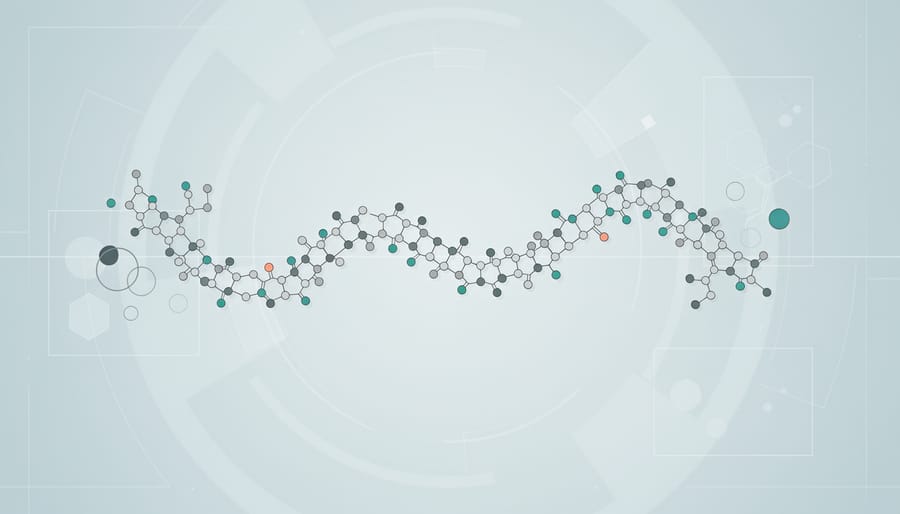
The BPC-157 peptide sequence is a specific chain of 15 amino acids arranged in this exact order: Gly-Glu-Pro-Pro-Pro-Gly-Lys-Pro-Ala-Asp-Asp-Ala-Gly-Leu-Val. Think of amino acids as the building blocks your body uses to create proteins, similar to how individual letters combine to form words. Each amino acid in this sequence has a three-letter abbreviation that represents its full name.
- Amino Acids
- The basic building blocks that link together to form proteins and peptides in your body. There are 20 different amino acids that can combine in countless ways, like letters forming different words.
- Peptide Chain
- A string of amino acids connected in a specific order, shorter than a full protein. BPC-157’s chain of 15 amino acids is considered a relatively small peptide.
- Sequence
- The exact order in which amino acids are arranged in a peptide. Changing even one amino acid or its position would create an entirely different compound with different properties.
What makes this particular arrangement special is that it mirrors a protective segment found naturally in your body. The sequence starts with glycine (Gly), moves through several proline (Pro) residues in a row, and includes other amino acids like glutamic acid (Glu), lysine (Lys), alanine (Ala), aspartic acid (Asp), leucine (Leu), and valine (Val). That triple-proline stretch (Pro-Pro-Pro) is particularly noteworthy because it creates a unique structural shape.
The order matters immensely. You could have the exact same 15 amino acids arranged differently, and you’d end up with a completely different peptide with entirely different characteristics. It’s like having the same letters in a word rearranged to spell something else entirely. The BPC-157 sequence has remained consistent across research because scientists replicated the exact arrangement found in the natural protective compound.
This precise sequence gives BPC-157 its identity. When you see products labeled as BPC-157, they should contain this exact 15-amino acid chain in this specific order. Understanding this helps you recognize what you’re researching and empowers you to ask informed questions about purity and authenticity when exploring this compound within the alternative wellness community.
Where BPC-157 Comes From: The Natural Origins

The story of BPC-157 begins not in a laboratory, but inside your own stomach. Right now, as you read this, your body produces a protective protein in your gastric juice called Body Protection Compound. This natural substance works quietly to shield your stomach lining from the harsh environment of digestive acids, while supporting the delicate tissues that allow you to process food and absorb nutrients.
Scientists discovered this protective compound decades ago while studying how the body maintains its own resilience in such a corrosive environment. What fascinated researchers was how effectively this natural protein seemed to support the body’s healing processes, particularly in the gastrointestinal tract.
BPC-157 represents a specific fragment of this larger protective protein. Rather than using the entire compound, researchers identified a sequence of 15 amino acids that appeared to carry many of the beneficial properties. Think of it as distilling the essence of something your body already makes, isolating a particular portion that showed promise in supporting tissue health.
The synthetic version you might encounter today is created in laboratories to match this exact 15-amino acid sequence. It’s designed to be molecularly identical to that fragment of your body’s own protective compound. This connection to a naturally occurring substance resonates with many people who prefer approaches rooted in the body’s inherent wisdom rather than entirely foreign compounds.
What makes this origin story particularly compelling is that BPC-157 isn’t based on a random creation or a molecule found only in exotic plants. It comes from understanding what your body already does to protect and maintain itself. The synthetic peptide simply provides a concentrated, stable form of that natural fragment, one that can be studied and used outside the complex environment of the stomach where the original compound naturally exists.
How the Sequence Structure Influences Its Properties
Stability in Different Environments
One of the remarkable features of BPC-157’s specific amino acid arrangement is its resilience in environments that typically break down other peptides. The sequence holds together in the presence of stomach acid, which is why it can potentially be taken orally, a significant advantage over many peptides that must bypass the digestive system entirely.
This stability extends to temperature variations as well. Unlike some delicate compounds that require constant refrigeration, BPC-157’s structure maintains its integrity across a range of temperatures. This means less worry about storage conditions and more practical options for those incorporating it into their wellness routines.
The peptide’s durability in these challenging environments stems from the particular way those 15 amino acids fold and bond together. Think of it as a tightly woven fabric versus a loose weave, the specific pattern creates strength. For anyone researching BPC-157, this stability translates to a compound that doesn’t require elaborate handling protocols or immediate use after mixing, making it more accessible for everyday application in alternative health practices.
Size and Bioavailability Considerations
Being a 15-amino acid peptide makes BPC-157 relatively compact in the world of proteins and peptides. Think of it as the difference between a short sentence and a novel, the shorter length can influence how easily something moves through biological systems.
This smaller size means the peptide can potentially navigate through tissues more readily than larger protein molecules. Larger proteins often face barriers that smaller peptides might pass through, similar to how a bicycle can weave through spaces where a truck cannot. For people exploring BPC-157 in wellness contexts, this matters because it relates to how the compound might interact with the body after administration.
The 15-amino acid structure also influences stability during storage and handling. Shorter peptide chains tend to be more robust than fragile, complex proteins that can unravel or break down easily. This practical consideration affects everything from how products are stored to their shelf life.
However, size alone doesn’t tell the whole story. The specific sequence of those 15 amino acids, their unique arrangement, works together with the compact structure to create BPC-157’s distinct characteristics. It’s the combination of being small enough to be practical yet complex enough to maintain its structure that makes this peptide noteworthy in alternative medicine circles.
BPC-157 in the Alternative Medicine Landscape
BPC-157 sits at an interesting intersection in the wellness world, a compound that bridges the gap between what our bodies naturally produce and what alternative medicine practitioners are exploring. For people drawn to natural healing approaches, peptides like BPC-157 represent something compelling: substances that work with the body’s own language rather than against it.
The growing interest in peptides isn’t happening in isolation. It’s part of a larger shift toward understanding health from the inside out. Just as movements toward sustainable diets recognize that what we put in our bodies matters on multiple levels, peptide research reflects a desire to work with the body’s existing systems. People are asking different questions now: not just “what fixes this symptom?” but “what supports my body’s own capacity to heal?”
Peptides fit naturally into holistic wellness frameworks because they’re information molecules. They don’t force the body into a response; they communicate. For practitioners and individuals exploring body-centered approaches, this distinction matters. It aligns with philosophies that view the body as inherently wise, capable of remarkable self-regulation when given the right support.
The peptide conversation also reflects growing dissatisfaction with one-size-fits-all solutions. BPC-157’s origins in human gastric juice resonate with people who believe the body already holds many answers. There’s something deeply satisfying about the idea that a protective compound the stomach naturally produces might have broader applications, it feels like rediscovering forgotten wisdom rather than introducing something foreign.
This approach connects to broader values in conscious wellness communities. The same principles that drive interest in ethical wellness practices, transparency, informed choice, respect for the body’s intelligence, shape how people research compounds like BPC-157. It’s not about quick fixes but about educated exploration of what supports long-term vitality.
The alternative medicine landscape has created space for these conversations. Integrative practitioners, biohackers, and wellness-focused individuals are investigating peptides with a different lens than conventional medicine typically applies. They’re asking about mechanisms, sourcing, purity, and how compounds interact with lifestyle factors. This educated curiosity drives deeper understanding of substances like BPC-157, moving beyond surface-level interest into genuine exploration of how the 15-amino acid sequence functions within larger biological systems.
Understanding Quality and Sourcing
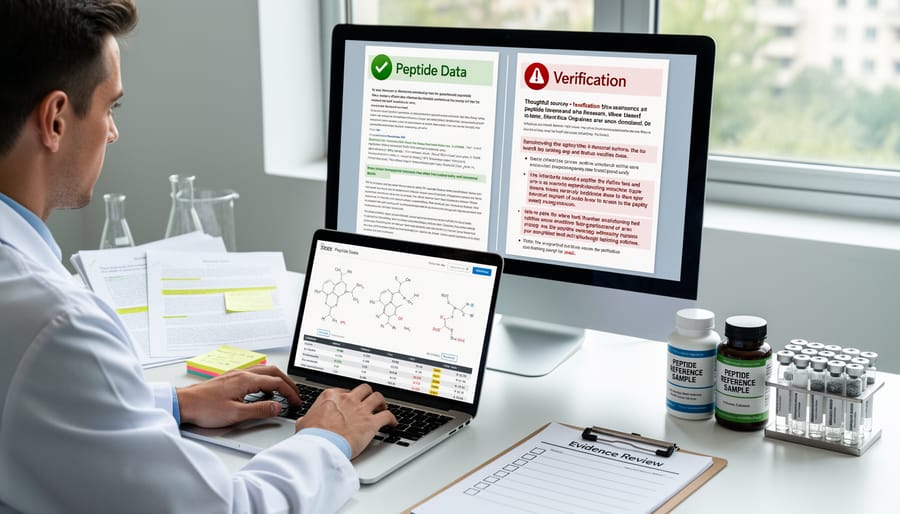
Understanding the quality and sourcing of BPC-157 requires the same thoughtful scrutiny you’d apply to any wellness product entering your body. Just as you’ve learned to spot greenwashing in sustainable fashion, the same critical eye serves you well when researching peptide supplements.
The foundation of quality starts with sequence verification. Reputable sources should confirm that their product contains the genuine 15-amino acid sequence, not a modified or truncated version. Third-party laboratory testing represents the gold standard here, providing independent verification rather than relying solely on a manufacturer’s claims. Look for certificates of analysis that specifically test for peptide purity, typically aiming for 98% or higher. These documents should be readily available, not hidden behind customer service requests.
When evaluating transparency, watch for the same red flags you’ve encountered in other wellness spaces. Vague claims about “pharmaceutical grade” without supporting documentation mirror the examples of greenwashing you’ve seen elsewhere. Authentic transparency means clear information about synthesis methods, testing protocols, and sourcing practices.
Key factors that demonstrate genuine transparency include:
- Published certificates of analysis from independent laboratories
- Clear documentation of the exact amino acid sequence
- Information about manufacturing facility standards and certifications
- Traceable sourcing of raw materials and synthesis processes
- Honest disclosure about storage requirements and shelf life
Beyond technical purity, consider the ethical dimensions. Manufacturers aligned with conscious values often prioritize sustainable synthesis methods and transparent labor practices. They view product quality checks not as marketing opportunities but as foundational responsibilities to their community.
The price point offers clues too. Extremely low prices often signal compromised quality or questionable sourcing, while exorbitant costs don’t automatically guarantee superiority. Research involves comparing testing documentation rather than assuming cost equals quality.
Remember that even the highest-quality BPC-157 deserves consultation with qualified healthcare practitioners familiar with peptide therapy. Your research empowers informed conversations with professionals who can guide personalized decisions based on your unique health context and values.
Common Questions About the BPC-157 Sequence
When you’re exploring BPC-157, questions about the actual peptide sequence naturally arise. Understanding these details helps you become a more informed advocate for your own wellness journey.
Is the BPC-157 sequence identical across all products?
The amino acid sequence should be the same, Gly-Glu-Pro-Pro-Pro-Gly-Lys-Pro-Ala-Asp-Asp-Ala-Gly-Leu-Val, but purity, stability, and manufacturing quality can vary significantly between suppliers. Third-party certificates of analysis help verify both sequence accuracy and overall purity.
Can the BPC-157 sequence be modified or customized?
While researchers have studied sequence variations in laboratory settings, the standard 15-amino acid sequence remains the established form. Modifications would create a different peptide entirely, not BPC-157 as it’s known in the wellness community.
How is the BPC-157 peptide sequence synthesized?
Most BPC-157 is created through solid-phase peptide synthesis, a laboratory process that links amino acids in the precise order of the sequence. This method allows for controlled production of the exact 15-amino acid chain.
How can I verify the sequence accuracy in a product?
Look for suppliers who provide third-party testing documentation, including mass spectrometry results that confirm the molecular weight and sequence composition. Transparency in testing is a hallmark of quality-conscious manufacturers.
Beyond these fundamentals, you might wonder about sequence stability during storage. The arrangement of those 15 amino acids gives BPC-157 remarkable resilience compared to many peptides, but proper storage still matters. Most products maintain sequence integrity when kept away from extreme heat and direct sunlight.
The synthesis process itself speaks to the intersection of scientific precision and natural inspiration. Creating this sequence in a lab mirrors the body’s own protective compound, yet the manufacturing environment demands exacting standards. Reputable suppliers treat each step, from amino acid selection through final purification, as critical to preserving the sequence’s intended structure.
For anyone approaching BPC-157 with environmental consciousness, the synthesis question often extends to sourcing ethics. While the peptide itself is synthetic, you can still ask suppliers about their laboratory practices, waste management, and quality control protocols. These considerations align with values of transparency and responsibility that extend beyond the sequence itself into how products reach the wellness community.
Understanding the BPC-157 peptide sequence, that specific chain of 15 amino acids derived from our body’s own protective compounds, gives you a solid foundation for exploring this intriguing area of alternative wellness. When you know what you’re actually looking at, you can ask better questions, evaluate information more critically, and make choices that truly align with your values.
This knowledge matters because the wellness landscape is full of claims and promises. Knowing the basics of what BPC-157 actually is, where it comes from, and how its structure influences its characteristics puts you in the driver’s seat. You’re not just accepting marketing language, you’re approaching the topic with genuine understanding.
As with any wellness decision, education is just the starting point. The peptide sequence itself is fascinating, but what really counts is how you use this information. Connect with qualified practitioners who understand both conventional and alternative approaches. Look for transparency in sourcing and testing. Ask questions about purity, synthesis methods, and ethical standards. Your body deserves that level of care and attention.
The journey toward informed wellness choices isn’t always straightforward, but it’s deeply worthwhile. By building your knowledge from the ground up, starting with understanding exactly what this 15-amino acid sequence is and why it matters, you’re honoring both your curiosity and your commitment to conscious, thoughtful decisions about your health and well-being.