How to Choose Non-Toxic Body Care Products: A Buying Guide

Non-toxic body care means products made without ingredients you’d rather avoid, backed by clear labels and, where possible, independent verification. The simplest way to choose is to read the ingredient list, look for a credible third-party label, and treat brand claims as what they are: the brand’s own description of its product.
That last part matters more than it sounds. “Non-toxic” has no single legal definition on a bottle, so the words alone tell you very little. What helps is knowing what to look for. AEP Scent describes its Coastal Sage Body & Hand Wash as sulfate-free, paraben-free, phthalate-free, vegan, and cruelty-free. Be Green Bath and Body says its EWG Verified skincare collection is fragrance-free and made with safe, plant-based ingredients. Third-party programs exist too: the Environmental Working Group launched its EWG Verified label in April 2016, starting with 118 items.
You don’t need a perfect shelf or a bigger budget to begin. Swapping one everyday product, like your body wash, is a real first step, and it’s how many people build a routine they feel good about. This guide walks you through the key factors, compares product types, shares example picks, and flags common mistakes, so you can choose with confidence.
What ‘Non-Toxic’ Really Means on a Body Care Label
Here’s something that surprises a lot of people: “non-toxic” isn’t a single, official standard you can look up. It’s mostly a marketing term, which means one brand’s “non-toxic” might not match another’s. That’s not a reason to worry. It simply means the most useful tools are the ones already in your hands: the ingredient list and any independent certifications on the package.
You don’t need a science background to use them. Ingredient lists show what’s in a product, and when a brand explains each ingredient, you can see what you’re working with. For a plain-language look at how FDA cosmetics regulation treats personal care products, the agency’s own overview is a good place to start.
Third-party certifications give you another signal. The Environmental Working Group launched its EWG Verified label in April 2016, so a product carrying it has been reviewed by an outside group, not just described by the brand itself. Brands also make their own “free-from” statements, such as sulfate-free or paraben-free. Those are helpful to know about, but they come from the brand, so it’s worth reading the label for yourself.
The goal isn’t a flawless routine. It’s making choices you feel confident about, one product at a time.
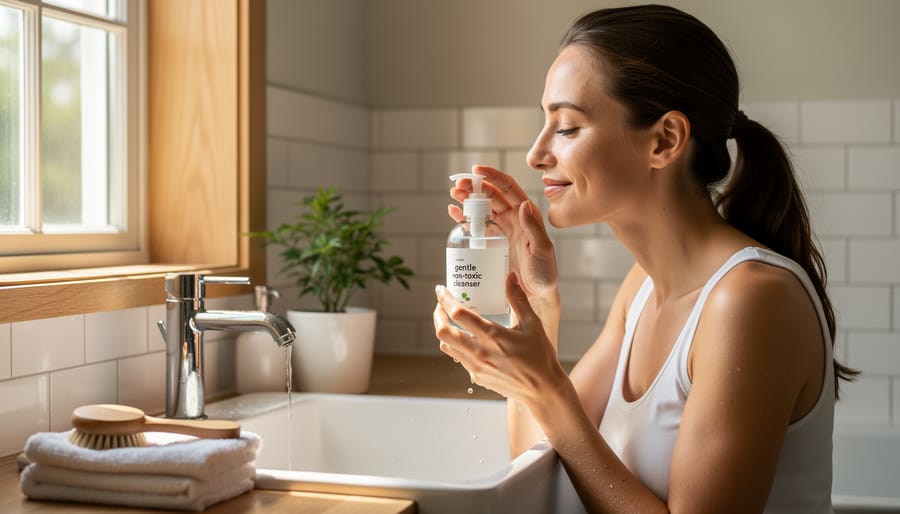
Key Buying Factors: What to Look for Before You Buy
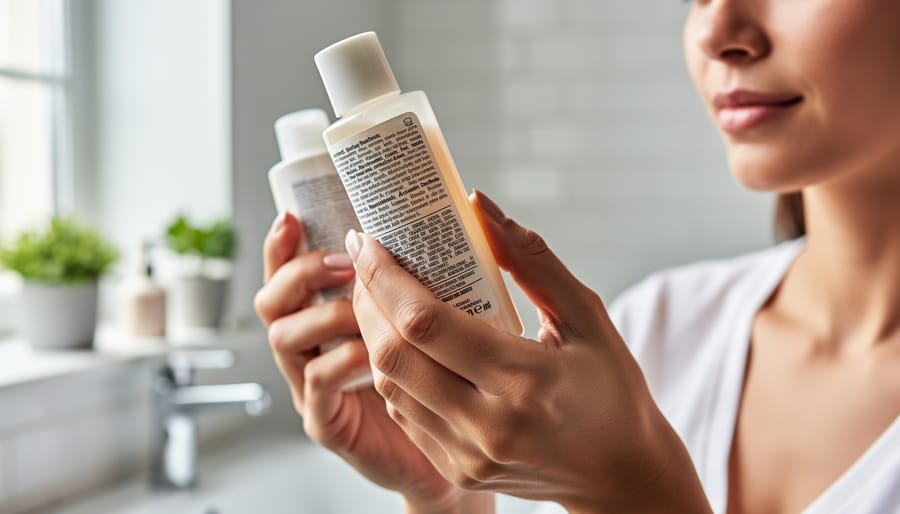
Reading the Ingredient List Without a Chemistry Degree
Here’s the good news: you don’t need a chemistry degree to read a label. Start with the order. Ingredients are listed from highest concentration to lowest, so the first handful tell you what the product is mostly made of.
Next, notice the length. A shorter list is simply easier to evaluate, and you can look up a few unfamiliar names in a minute or two. Brands that take the time to explain every ingredient on their own site are making your job easier, and that kind of openness is a better signal than big promises on the front of the bottle. If you want to see how a brand’s choices stack up against its sustainability talk the ingredient list is a great place to begin.
Finally, decide what matters most for your skin, whether that’s skipping fragrance or keeping things simple, and patch-test anything new on a small area first.
Certifications and Claims: Helpful Signals, Not Guarantees
Think of labels as clues rather than verdicts. The Environmental Working Group launched its EWG Verified label in April 2016, and according to coverage of the EWG Verified launch and growth it started with 118 items and now appears on more than 800 products. That’s a helpful signal, and it works best when you check what the mark covers on the product in your hand.
Brand statements like “vegan,” “cruelty-free,” or “paraben-free” are the company’s own claims, so treat them as a starting point and confirm them against the ingredient list. When a term feels vague, it’s easy to spot greenwashing by asking what a label actually proves. Learning a few misleading terms helps too. You don’t need perfection, just a habit of reading closely.
Body Wash, Bar Soap, Lotion and More: Types Compared
Choosing a format is mostly about how you like to wash and what you want your routine to say about your values. Each one can work well, and none is the “right” answer for everyone.
Liquid body wash is the easy, familiar pick. It lathers quickly and comes in plenty of options, including accessible ones like Dove Serum Body Wash, which Coveteur’s 2026 body care guide names Best Body Wash and lists at $13.99 at CVS. Bar soap tends to use less packaging, and its short ingredient lists can be simpler to read. Lotions and creams are for after the shower, while body oils lock in moisture for those who want a lighter, simpler routine. Hand washes, like AEP Scent’s Coastal Sage Body & Hand Wash, which the brand says is sulfate-free, paraben-free, phthalate-free, vegan, and cruelty-free, can pull double duty at the sink and in the shower.
| Product type | Best for | Sustainability notes | What to check on the label |
|---|---|---|---|
| Liquid body wash | Quick, rich lather and everyday convenience | Usually comes in plastic bottles, so look for refill or recyclable options | Fragrance disclosure and the full ingredient list |
| Bar soap | Minimal routines and travel | Often needs less packaging than bottled products | Short ingredient list and how gentle it feels on your skin |
| Lotions and creams | Daily moisture after bathing | Tubs and tubes vary, so check for recyclable materials | Fragrance-free options and clear ingredient explanations |
| Body oils | Dry skin and a simple, few-step routine | Glass bottles are common and easy to reuse | Oil types listed plainly, plus any added scent |
| Hand washes | Frequent washing at sinks | Look for refill sizes to cut down on bottles | Free-from claims and fragrance details |
For sensitive skin, the format matters less than what’s inside it. Fragrance-free choices are often easier to evaluate, and a quick patch test goes a long way. Be Green Bath and Body, for instance, describes its EWG Verified skincare collection as fragrance-free and made with plant-based ingredients, though it’s still smart to read each label yourself.
On value, price doesn’t always track quality. Some bars and body washes are budget-friendly, while specialty oils can cost more per use. Think about how long a product lasts in your routine, then pick the format you’ll actually enjoy using.
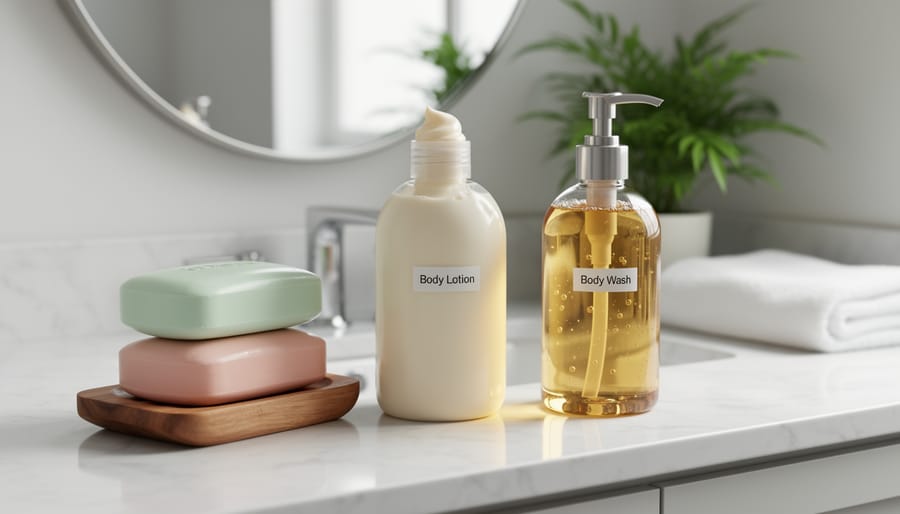
Where to Start: Example Picks Worth Exploring
Budget-Friendly and Everyday Options
If you’re after something easy to find and gentle on your budget, Dove Serum Body Wash is a good place to start. Coveteur’s 2026 body care guide names it Best Body Wash and lists it at $13.99 at CVS, noting that it leaves skin feeling more hydrated after showering. That makes it an approachable first swap, especially if boutique brands feel out of reach.
One thing to keep in mind: its inclusion here reflects its accessible price and the publication’s praise, not a non-toxic certification. Flip the bottle over and read the ingredient list against your own priorities. You know your skin best, and a quick label check turns any everyday product into an informed choice.
Plant-Based, Certified and Free-From Options
If you’re drawn to plant-based and free-from formulas, a few names are worth a closer look. Be Green Bath and Body says its EWG Verified skincare collection is non-toxic, fragrance-free, and made with safe, plant-based ingredients. That’s the brand’s own description, so it’s worth reading the labels yourself to see how it fits your skin.
AEP Scent’s Coastal Sage Body & Hand Wash is described as sulfate-free, paraben-free, phthalate-free, vegan, and cruelty-free. It’s a handy example of how a single product can spell out its free-from claims clearly, which makes comparing labels much easier.
If you’d rather skip the bottle, Nécessaire The Bar Soap is a bar-format pick. Coveteur describes its rich, velvety lather and says it cleanses while maintaining the skin’s natural barrier. Treat each of these as a starting point for your own comparison, not a final verdict.
A Reader’s Story: Swapping One Product at a Time

Picture a reader who starts with just one thing: the body wash in her shower. No big cleanout, no overwhelming spreadsheet of ingredients. She reads the label, picks a gentler option that fits her budget, and simply notices how her skin feels after a few weeks.
That small win is often what keeps people going. Next comes a bar soap, then maybe a lotion, each swap made only when the old bottle runs out. Nothing gets tossed in a panic, and nothing has to be perfect.
[Story slot for the writer: replace this illustration with a genuine reader story or expert interview. Use only real details shared with consent, such as what the first swap was, what surprised them, and what they’d tell a beginner. Do not add invented names, quotes, or numbers.]
Whatever your own story turns out to be, the lesson is the same: progress beats perfection. If you like tracking what works for you, it can help to start a sustainability journal and jot down each swap, how it felt, and what you’d like to try next. One product at a time is a perfectly good way to begin.
Common Mistakes to Avoid When Shopping for Non-Toxic Body Care
Even enthusiastic shoppers fall into a few easy traps, and each one has a simple fix.
Trusting “natural” or “clean” at face value. These words sound reassuring, but they don’t automatically mean a product is gentler or better for your skin. The fix: look past the front label and read the ingredient list. It also helps to learn a few examples of greenwashing so vague claims are easier to spot.
Overlooking fragrance and sensitivities. A product can have a short, tidy ingredient list and still bother your skin. If you’re sensitive, check how fragrance is disclosed, or look for fragrance-free options. Some brands describe their collections that way, such as Be Green Bath and Body’s EWG Verified skincare line.
Tossing everything at once. Clearing out your whole cabinet feels productive, but it’s costly and wasteful. Swap gradually instead, starting with whatever you use most, like your body wash.
Paying for branding instead of transparency. A pretty bottle or a high price tag doesn’t tell you what’s inside. Accessible options can be worth a look too, and clear ingredient lists matter more than packaging.
Skipping the patch test. Even gentle formulas don’t suit everyone. Try a small amount on a discreet spot first and wait before using it more widely. It takes a minute and can save you a lot of frustration.
Non-Toxic Body Care FAQs
What does non-toxic body care mean?
There’s no single legal definition, so “non-toxic” is mostly a marketing term. It’s most useful as a prompt to read the ingredient list and look for third-party certifications rather than trusting the front of the bottle.
Is EWG Verified the same as organic?
No, they’re different labels. The Environmental Working Group launched EWG Verified in April 2016, and it has appeared on more than 800 products, from moisturizers to shampoos and conditioners. Check what each label actually covers before you buy.
Do non-toxic products have to be expensive?
Not necessarily. Coveteur’s 2026 body care guide lists Dove Serum Body Wash at $13.99 at CVS, which shows that accessible options exist. Compare the ingredient list against your own priorities rather than judging by price alone.
How do I read a body wash label?
Ingredients are listed in order of concentration, and shorter lists are easier to evaluate. Brand statements like “sulfate-free” or “paraben-free” are the brand’s own claims, so use them as helpful signals, then patch-test anything new on your skin.
Small questions often lead to the biggest breakthroughs. You don’t need to have every answer before you start, and each label you read makes the next one easier to understand.
Choosing non-toxic body care products doesn’t have to be an all-or-nothing overhaul. It’s a journey made of small, confident choices, and every one of them counts. Start with the label: read the ingredient list, look for brands that explain what’s inside, and treat certifications and free-from statements as helpful signals rather than guarantees. Then match the product type to your routine, whether that’s a bar soap that suits your shower, a body wash you’ll actually reach for, or a lotion that works with your skin.
You don’t need a perfect shelf or a big budget to begin. Progress beats perfection, and a gentler routine builds one swap at a time.
So here’s your invitation: pick one product this week, whether it’s your body wash, your bar soap, or your hand wash, and try a swap that feels right for you. Then share how it goes with our community. Your experience might be the nudge someone else needs to take their first step.